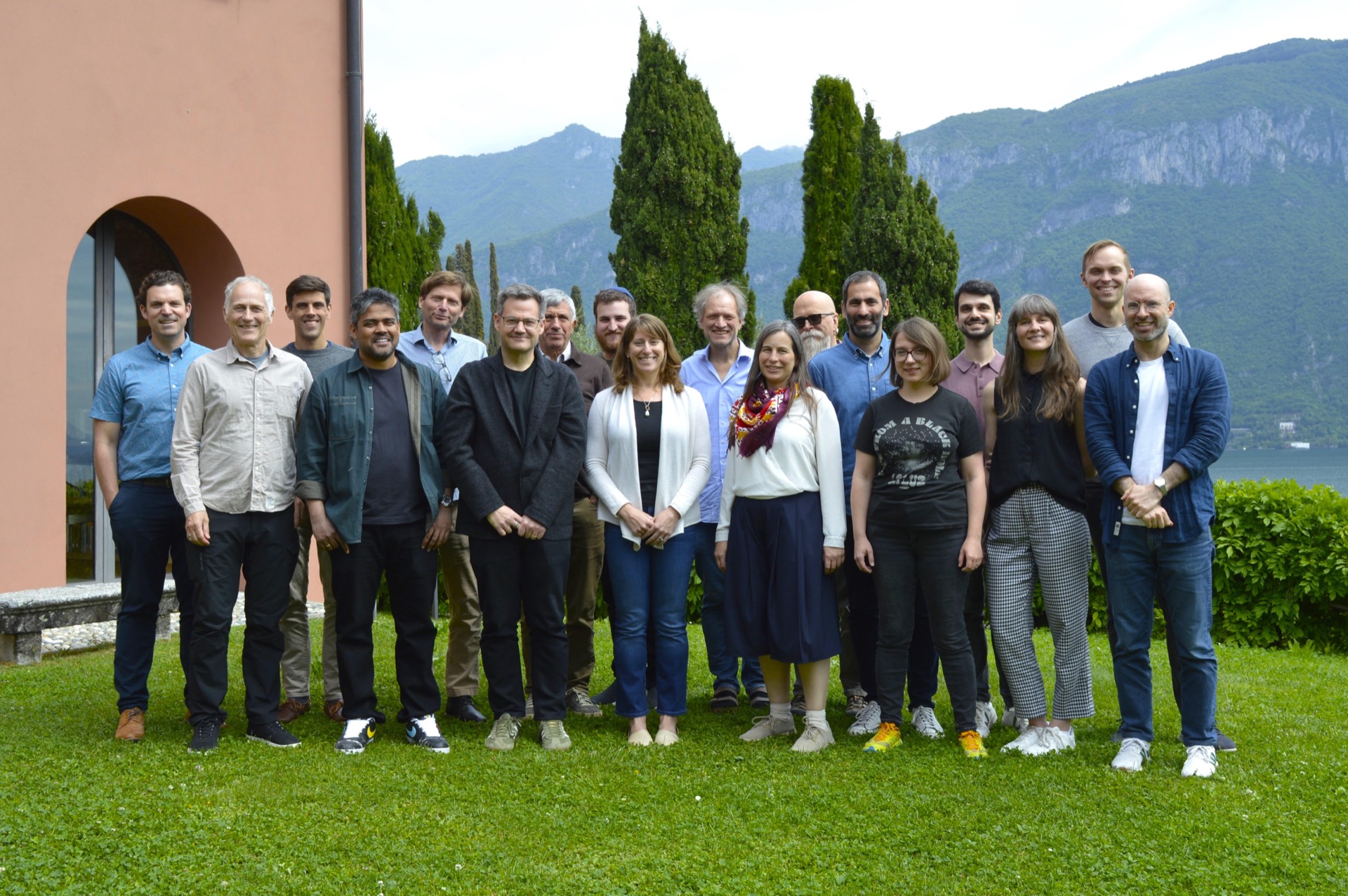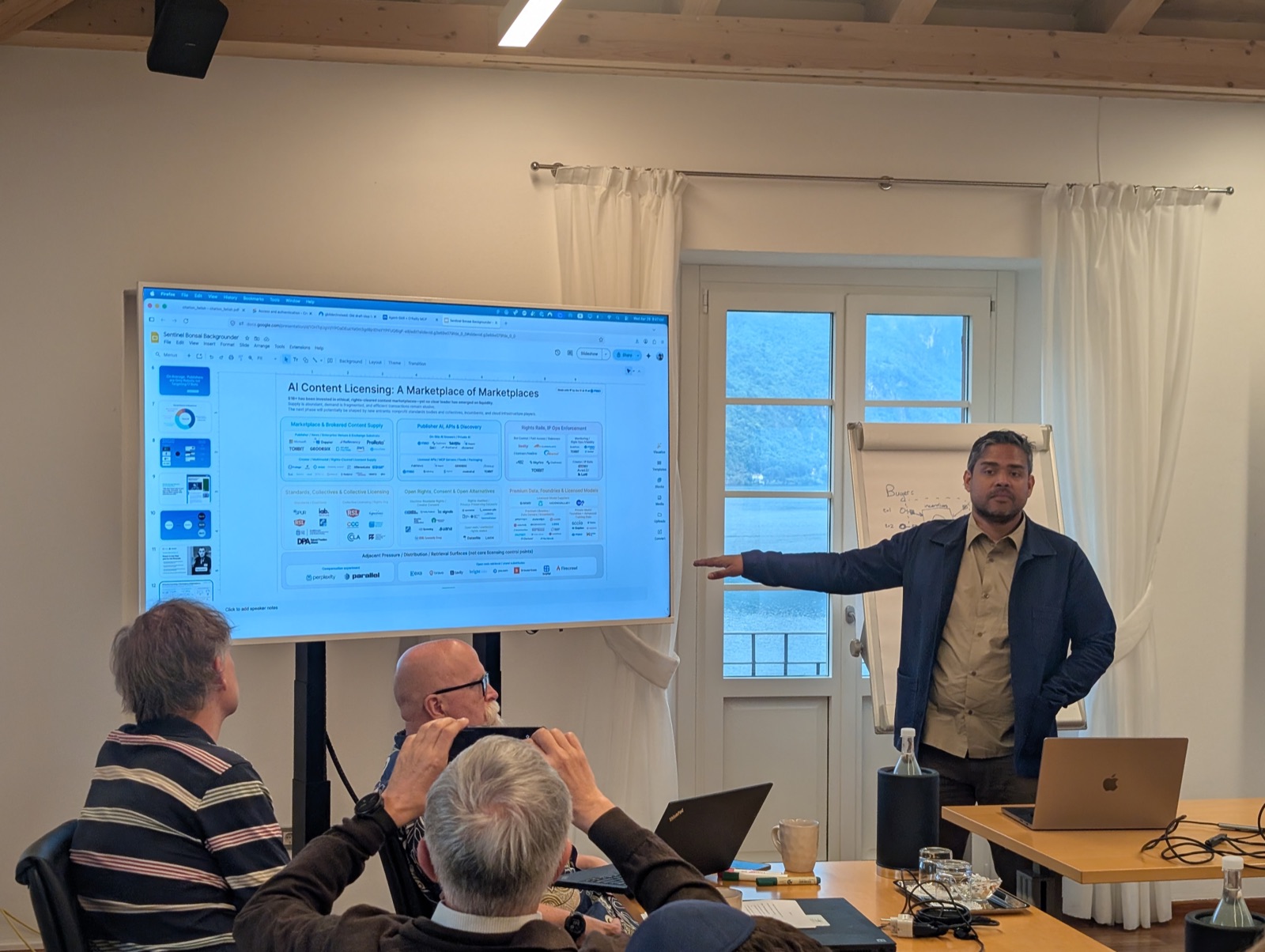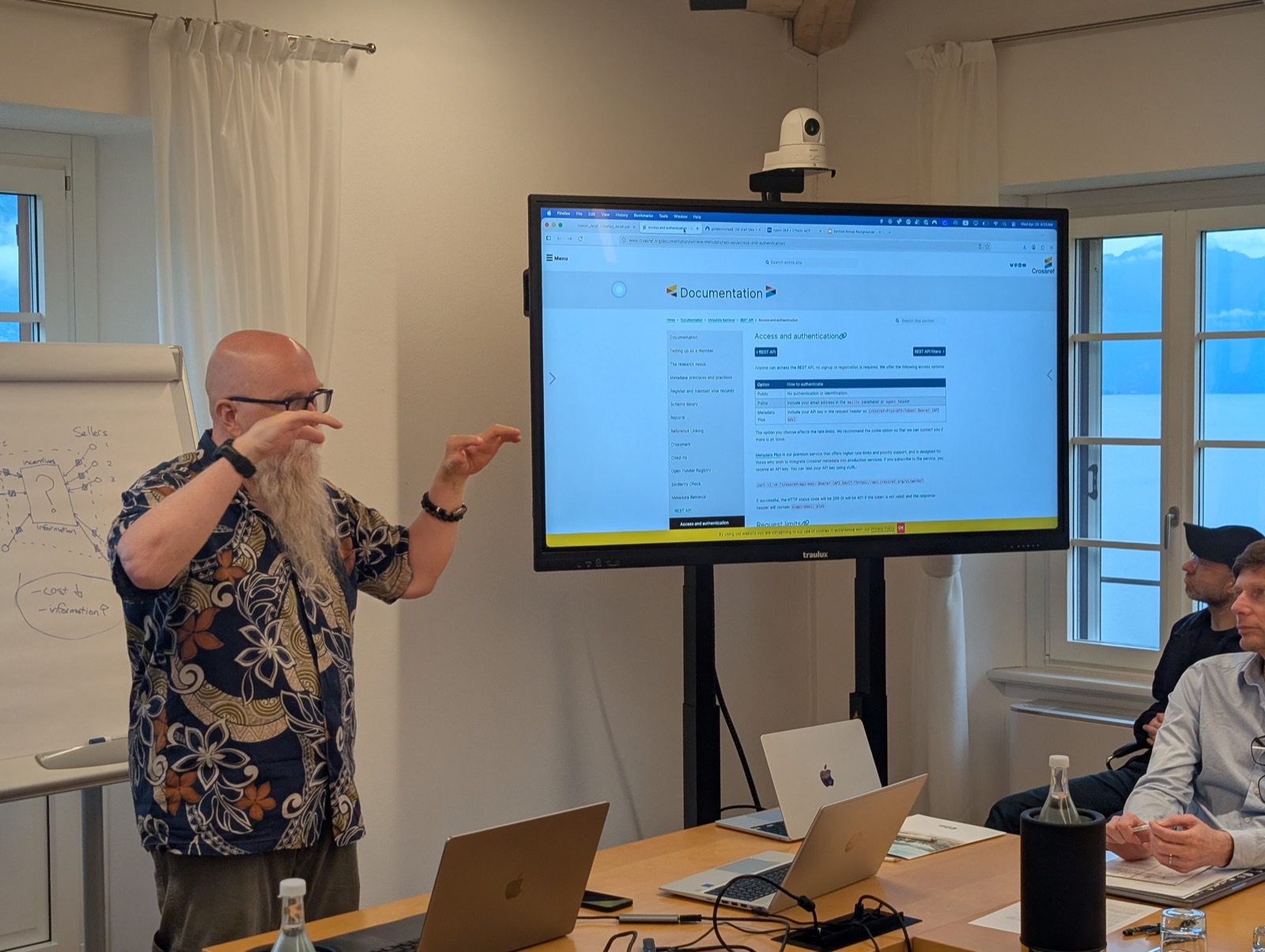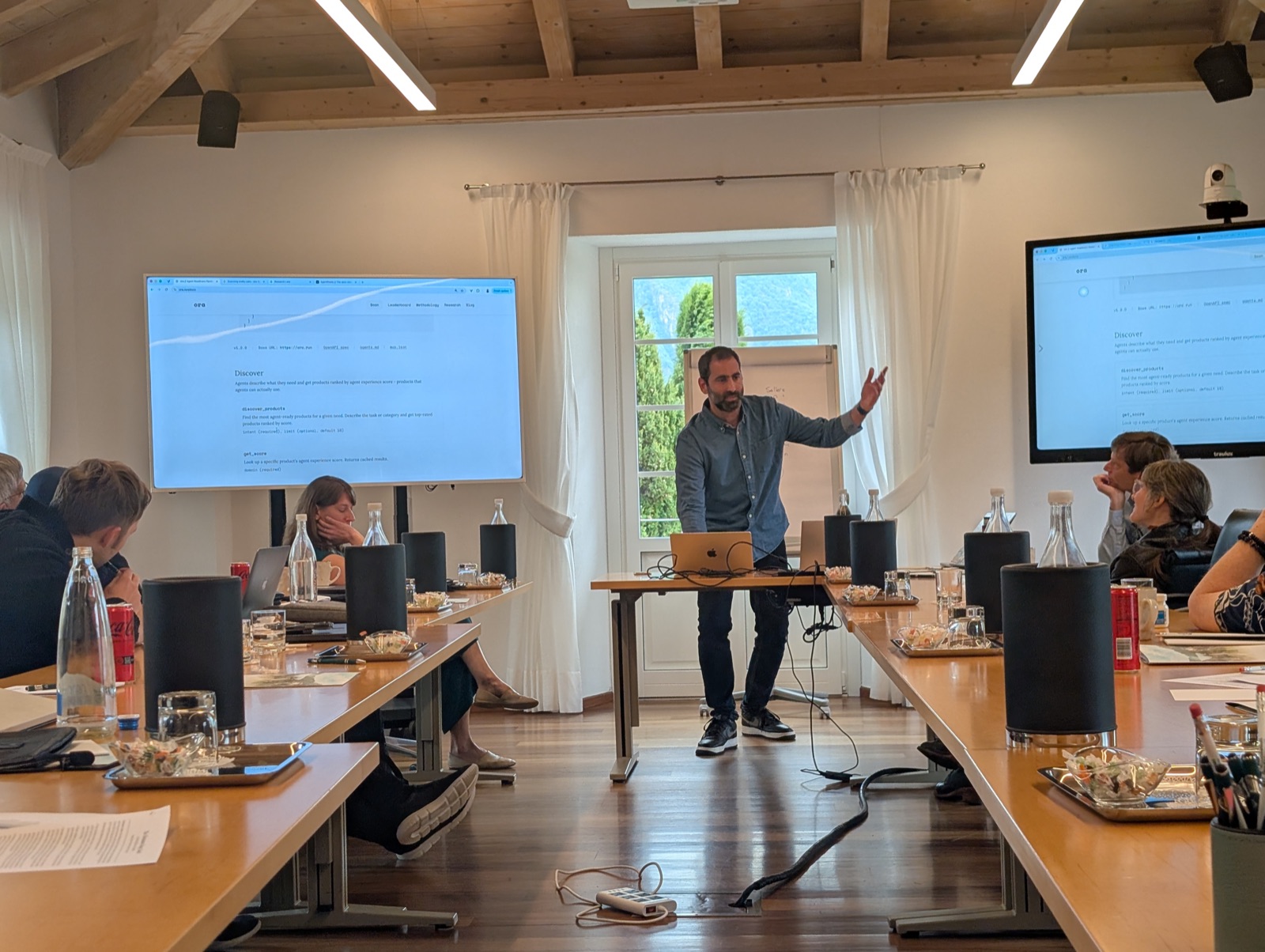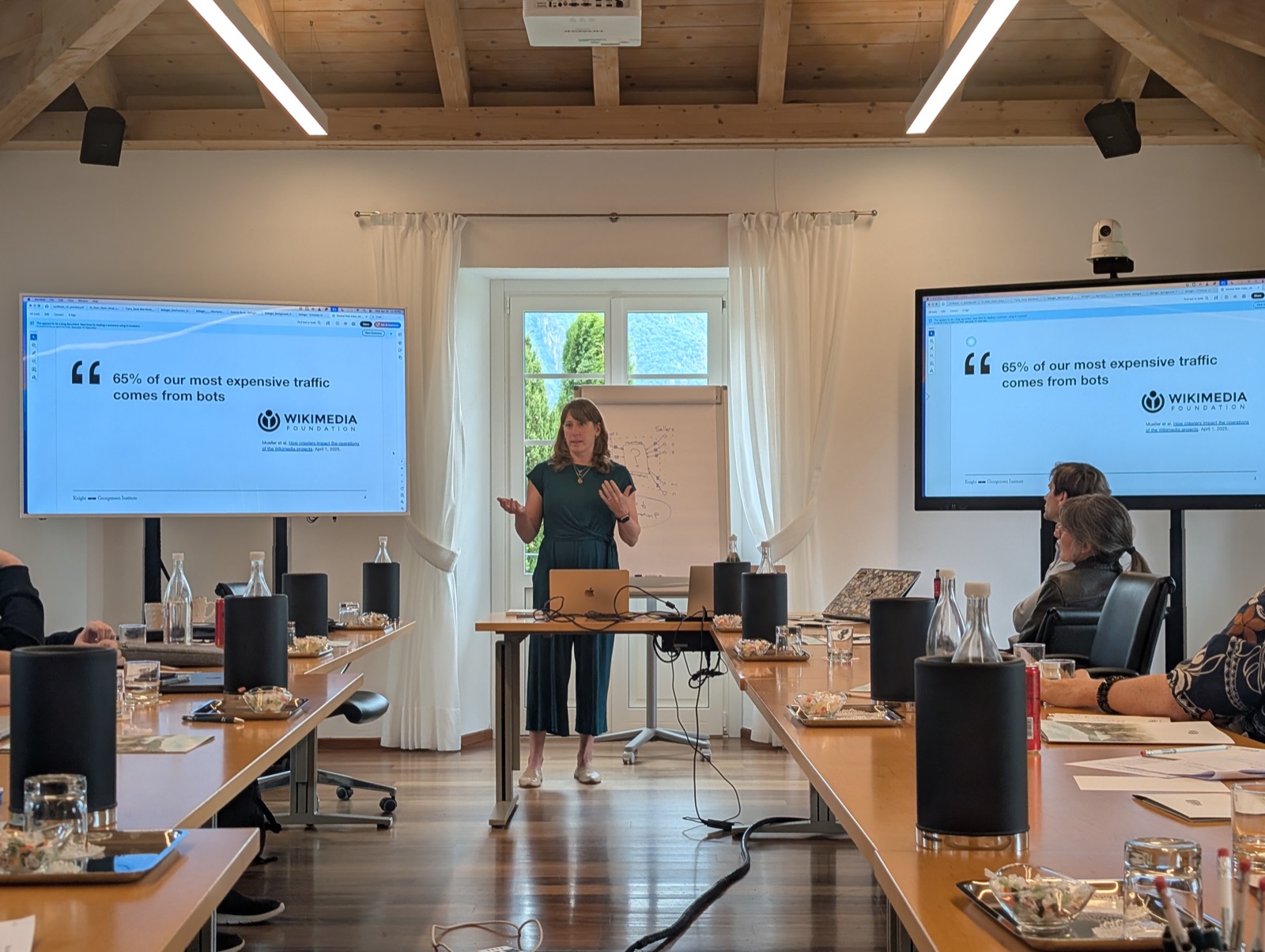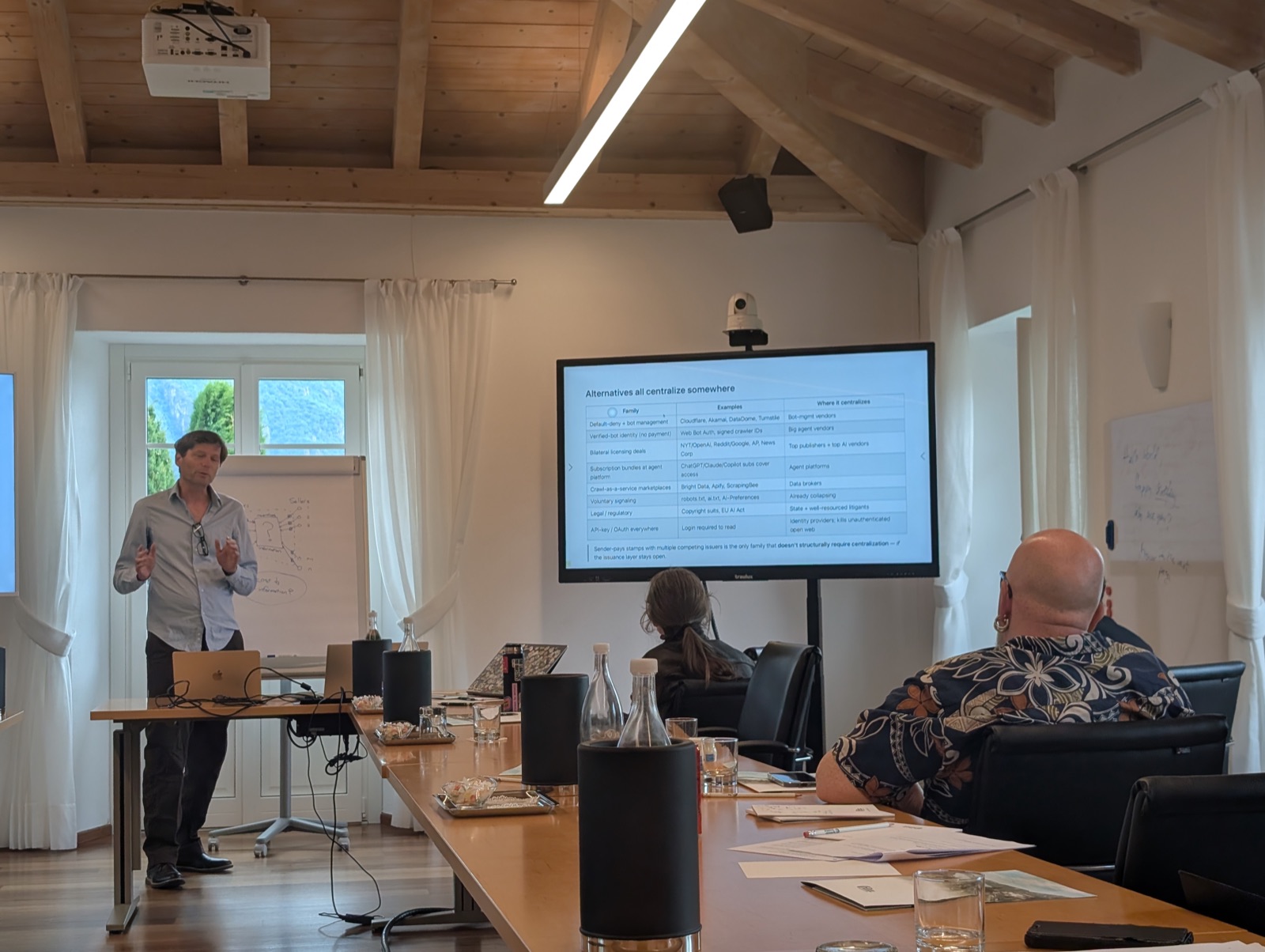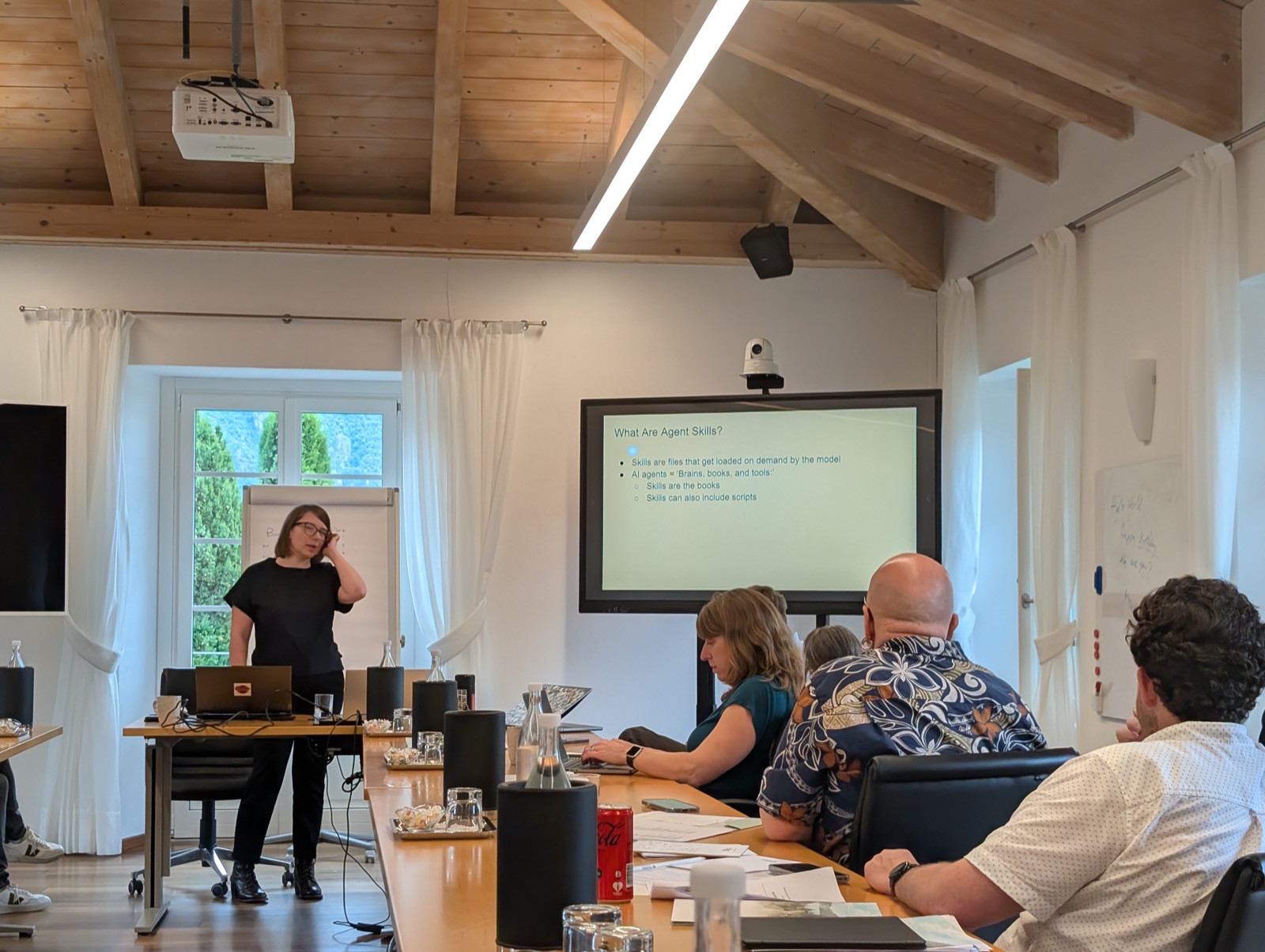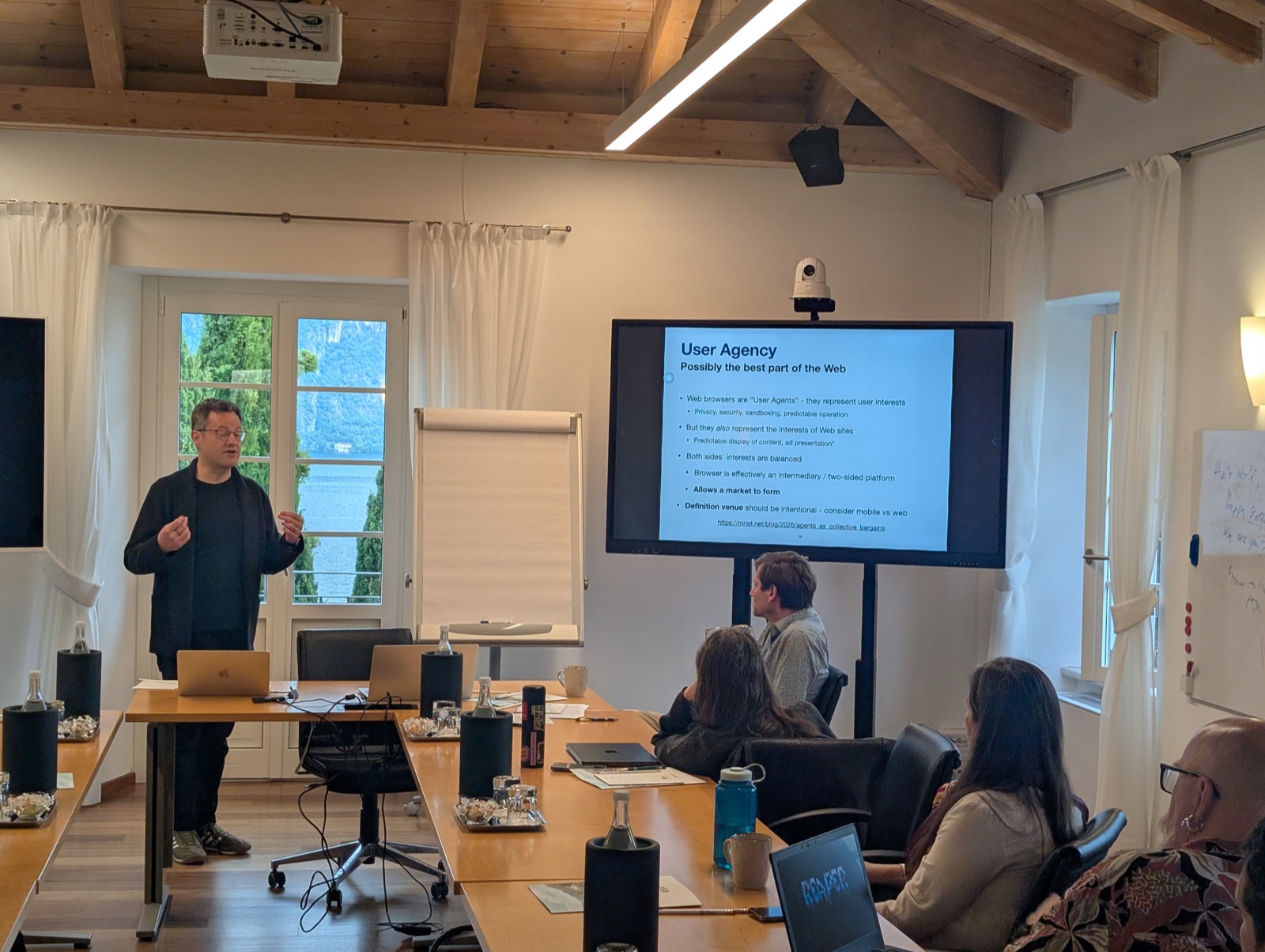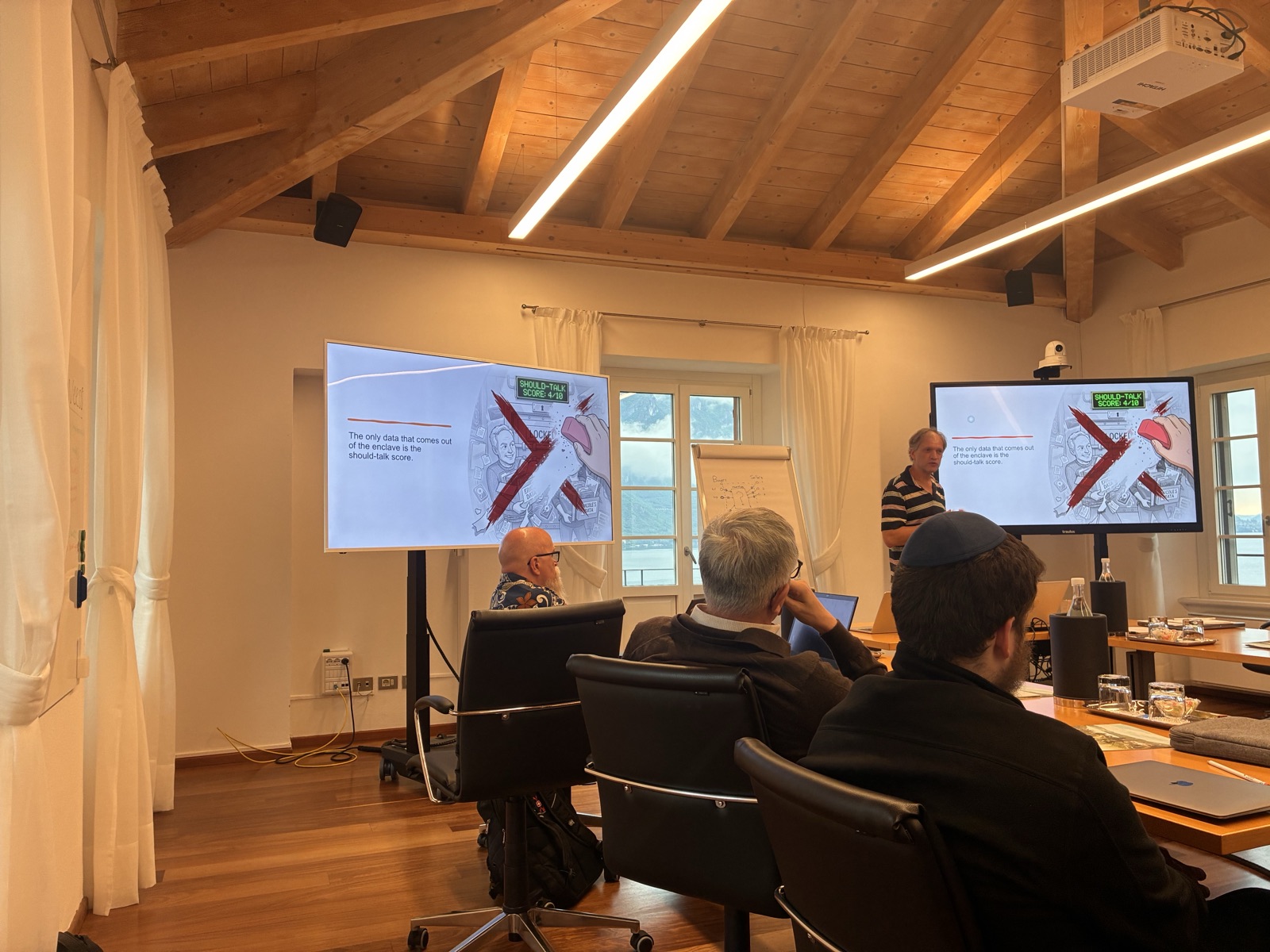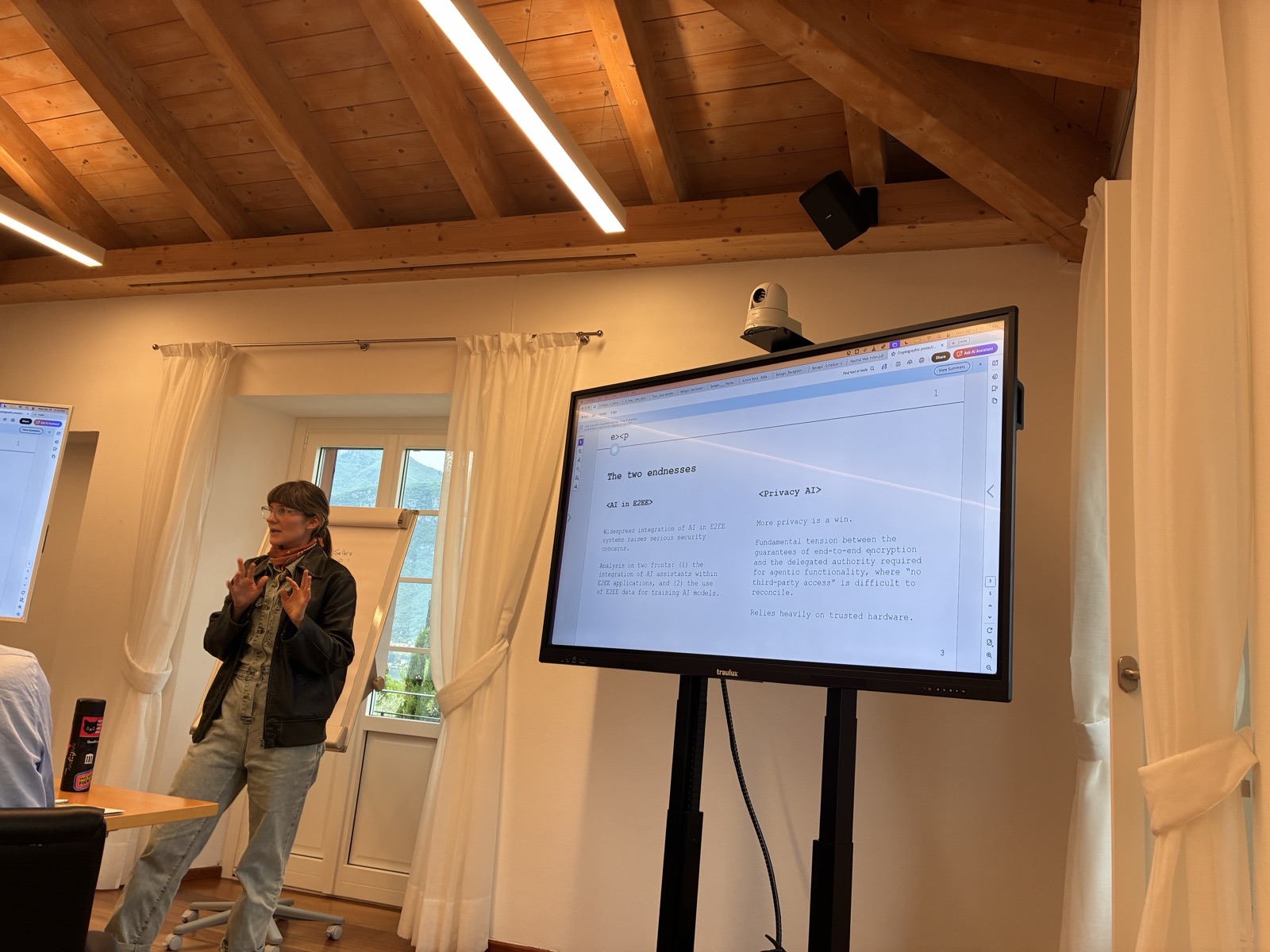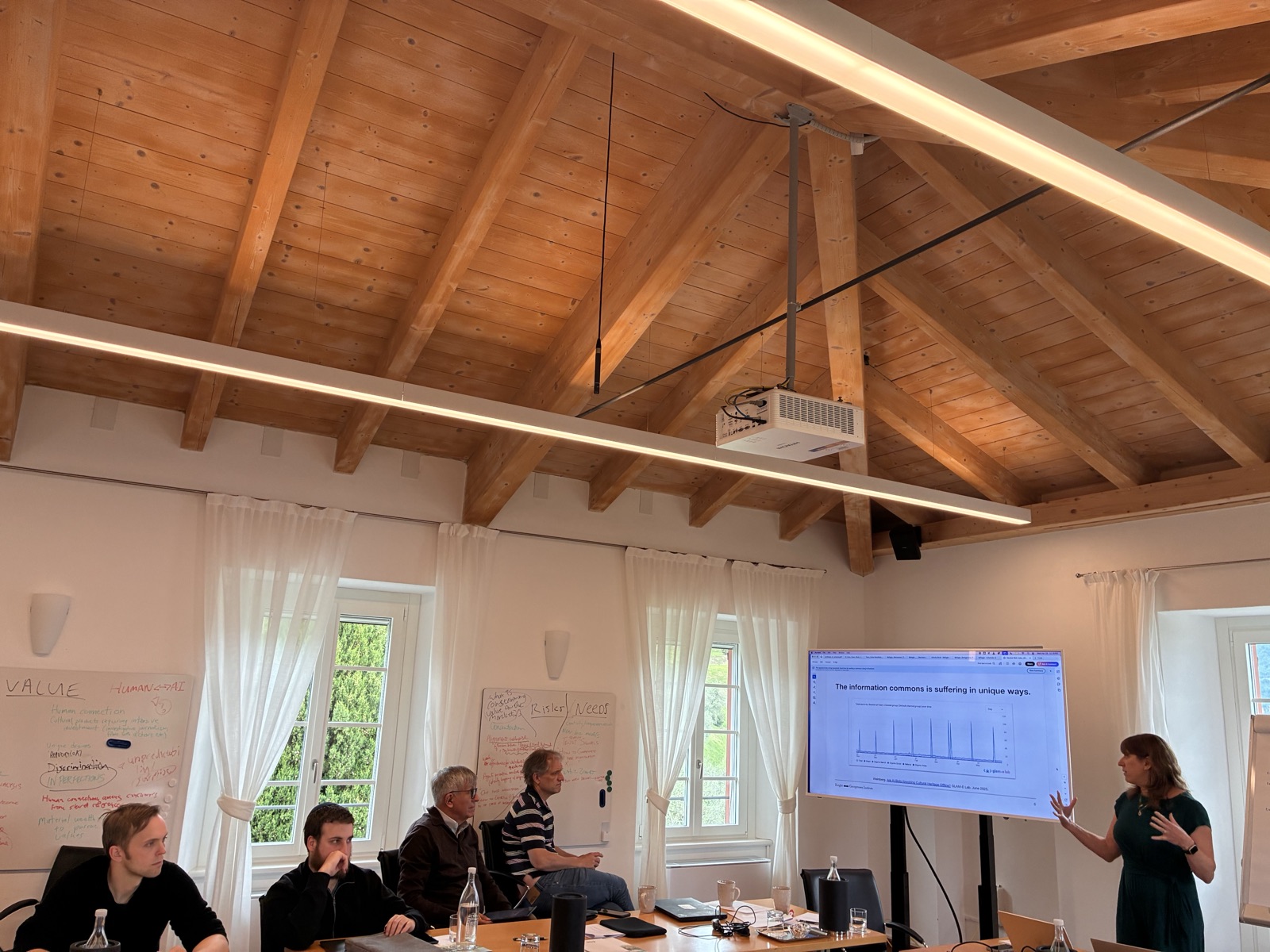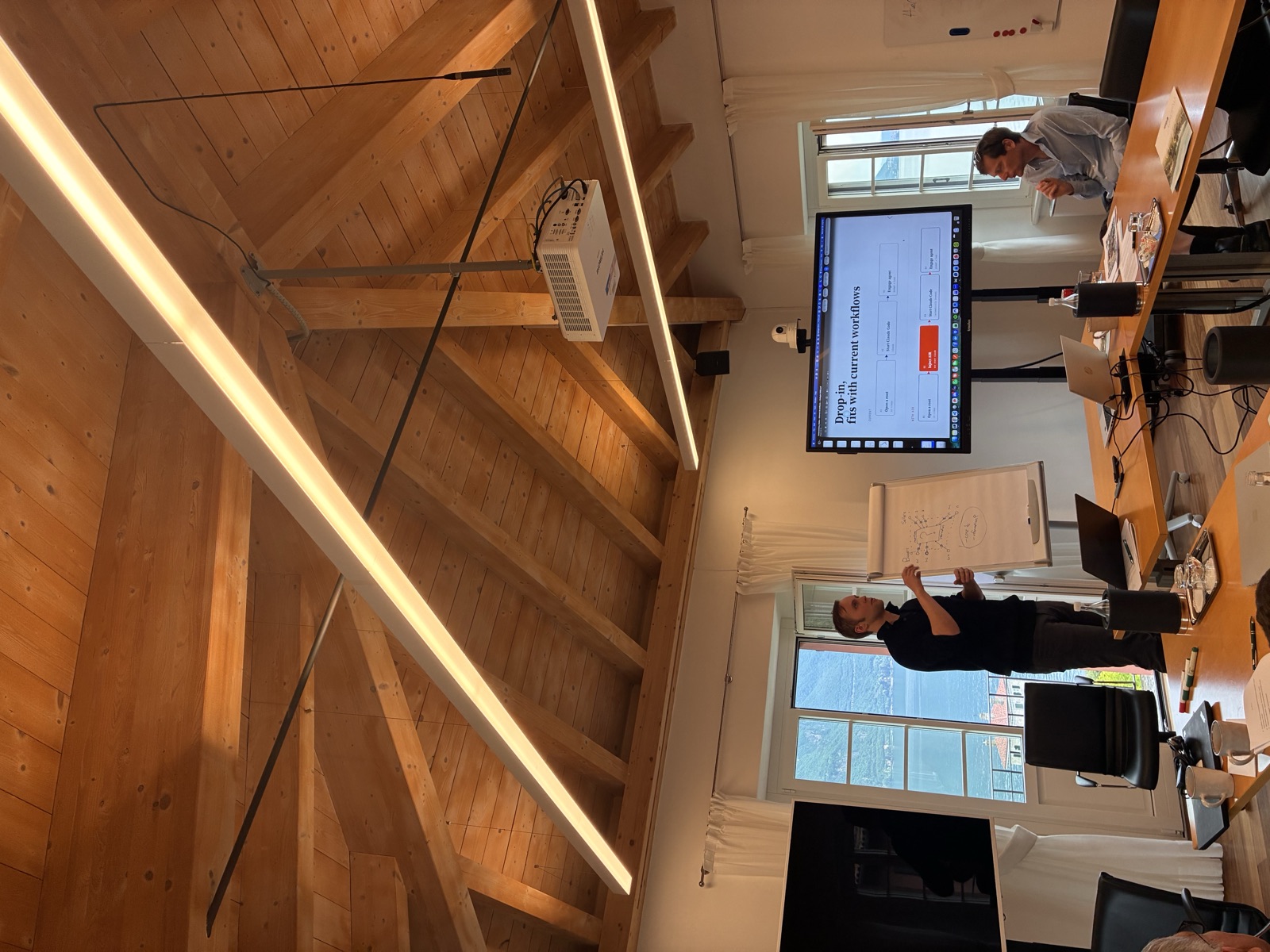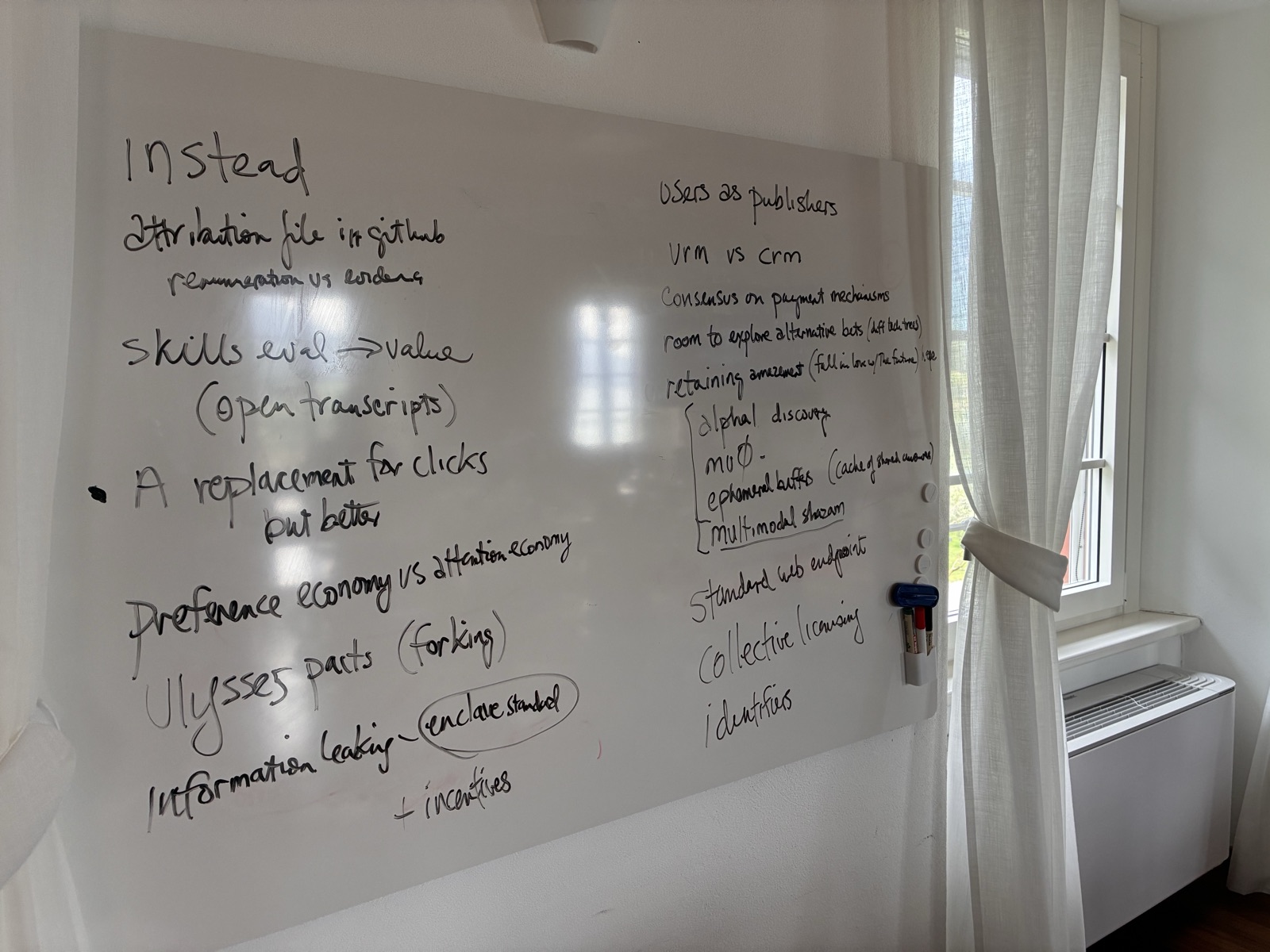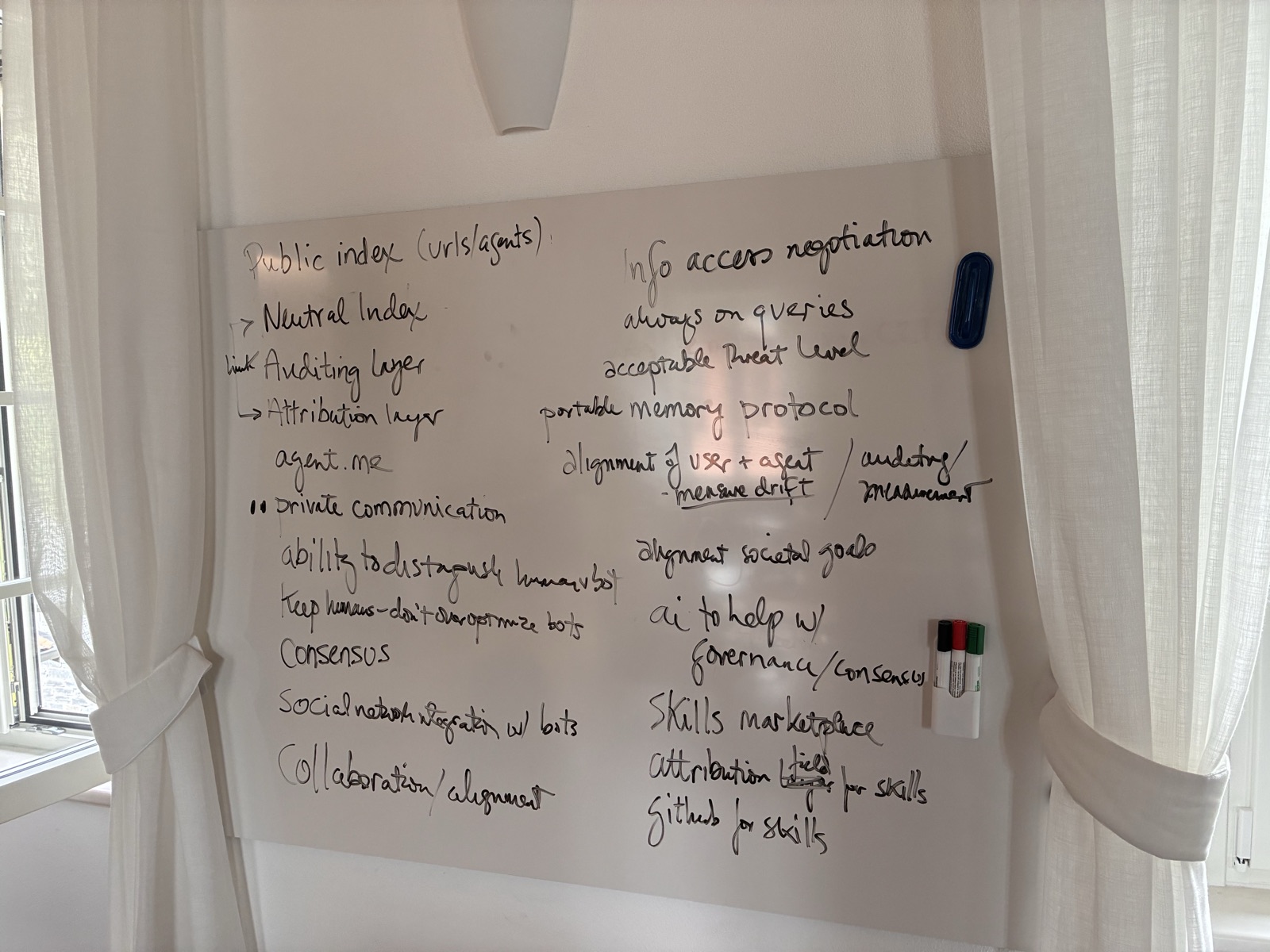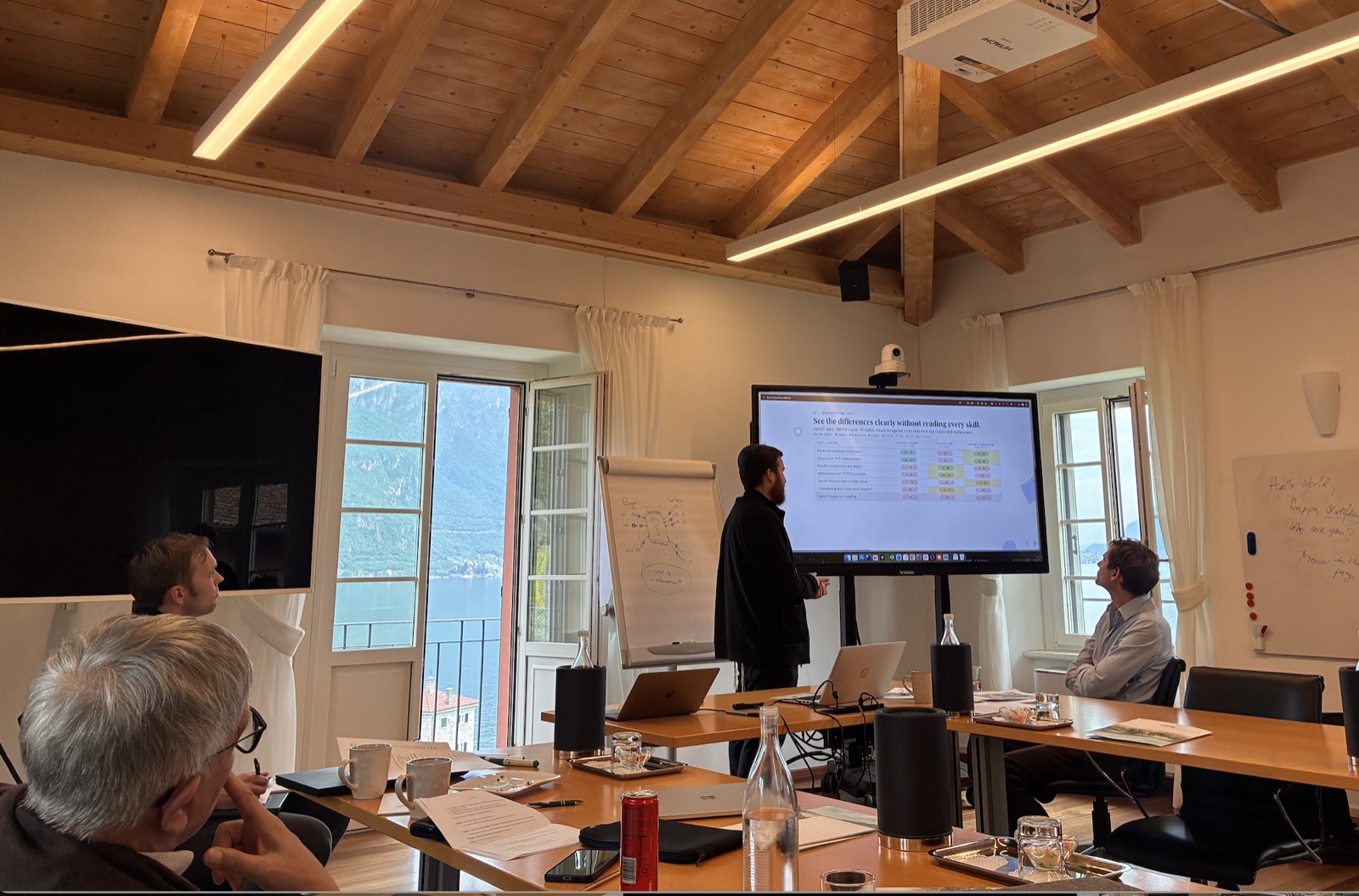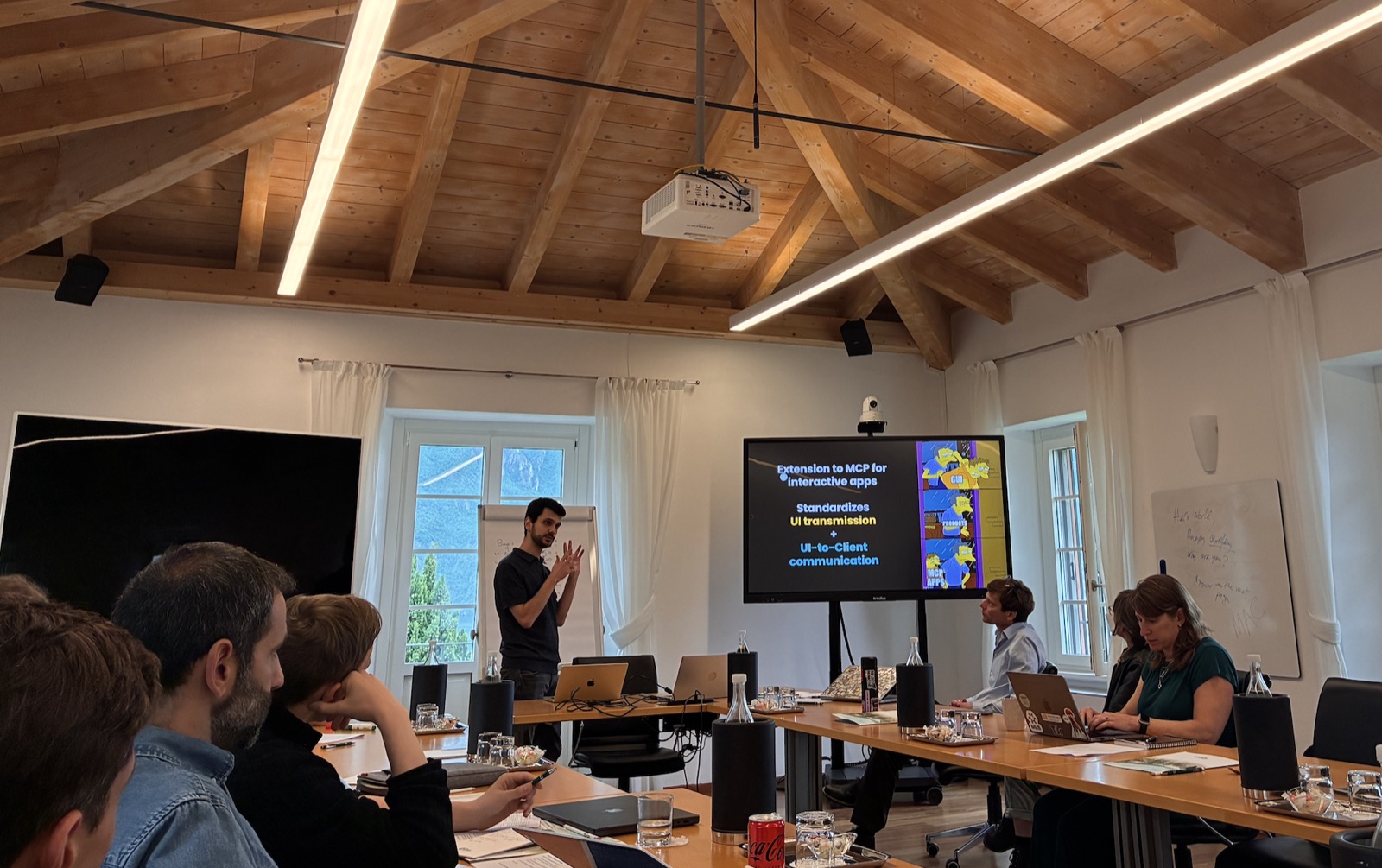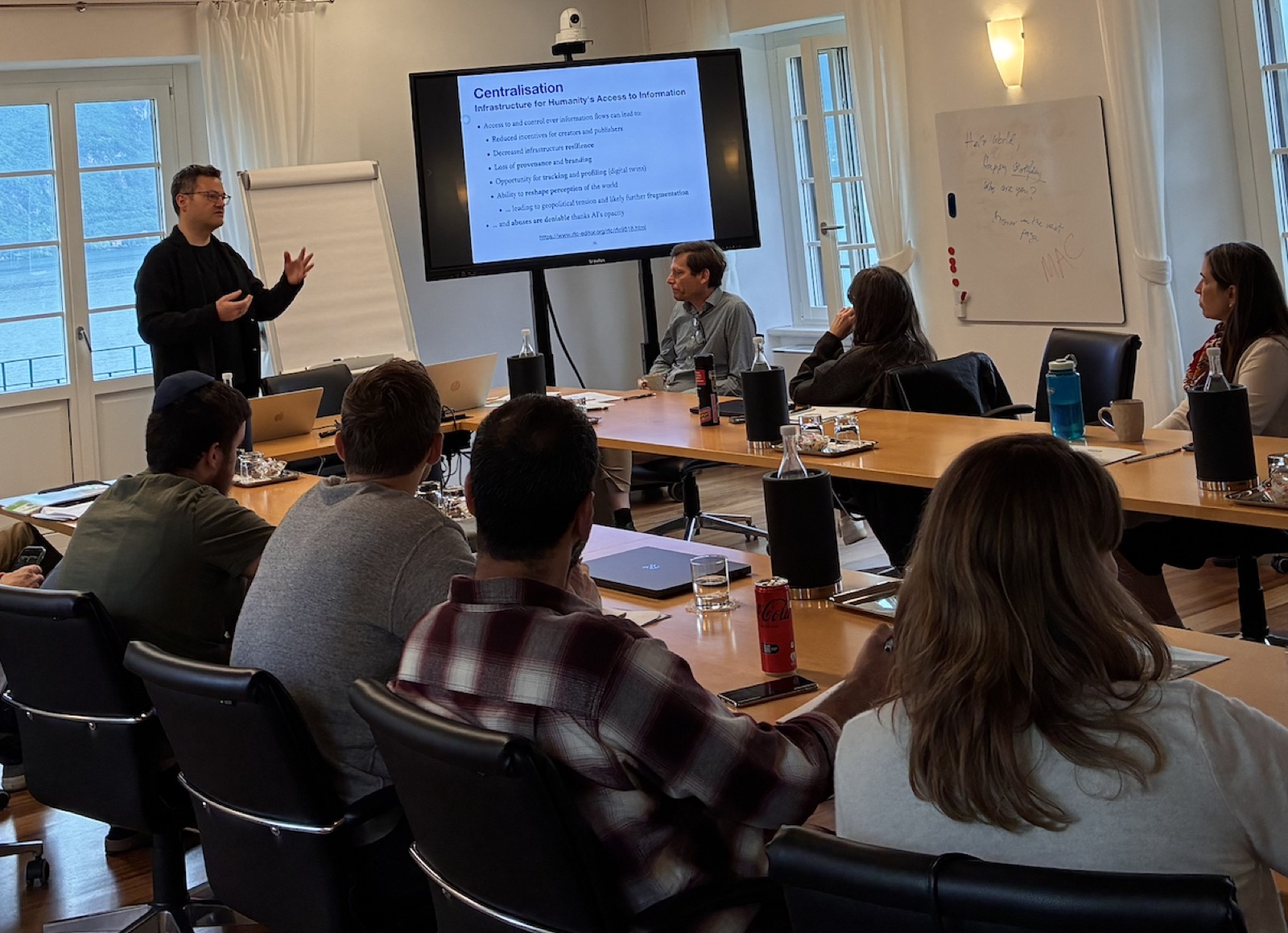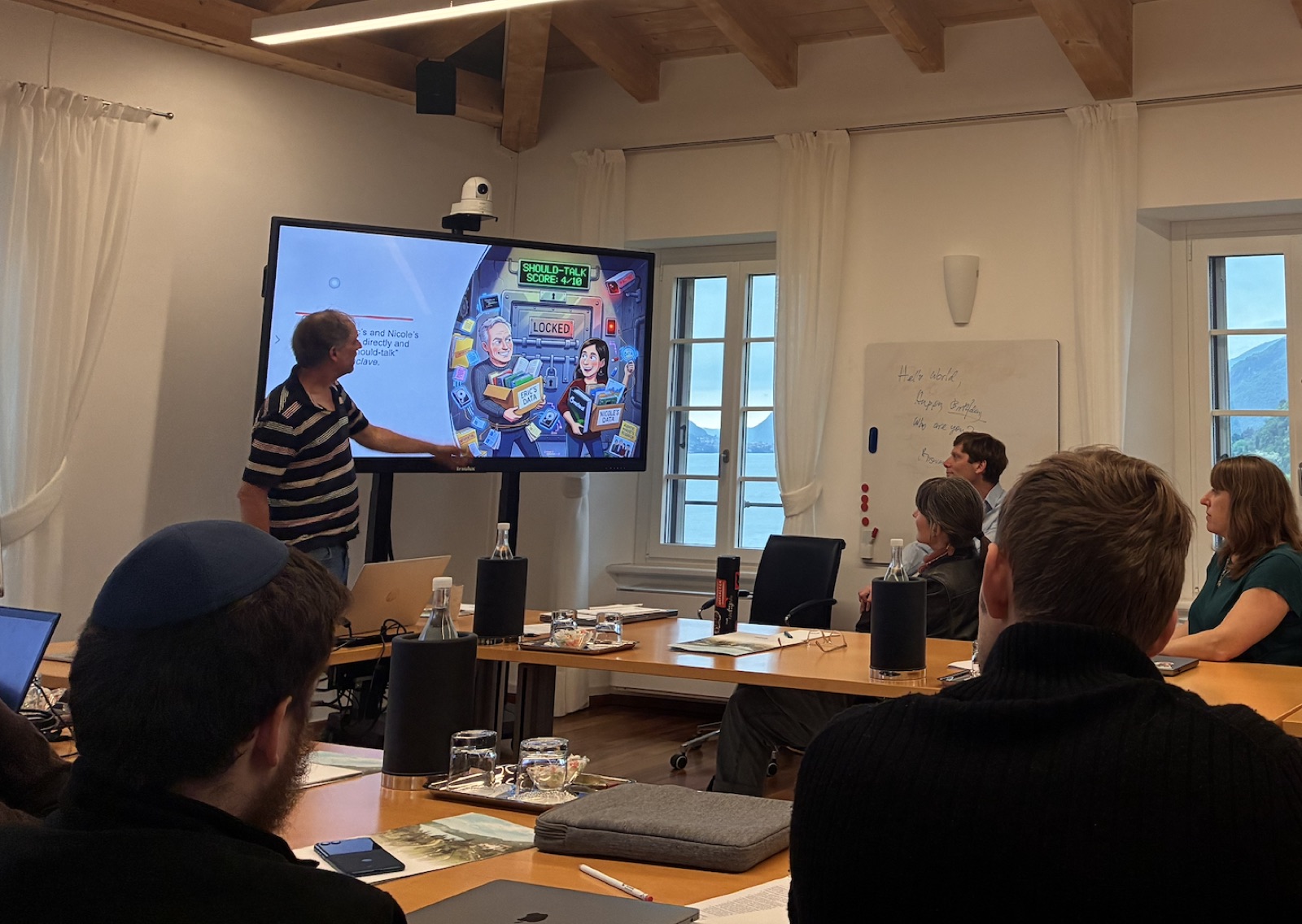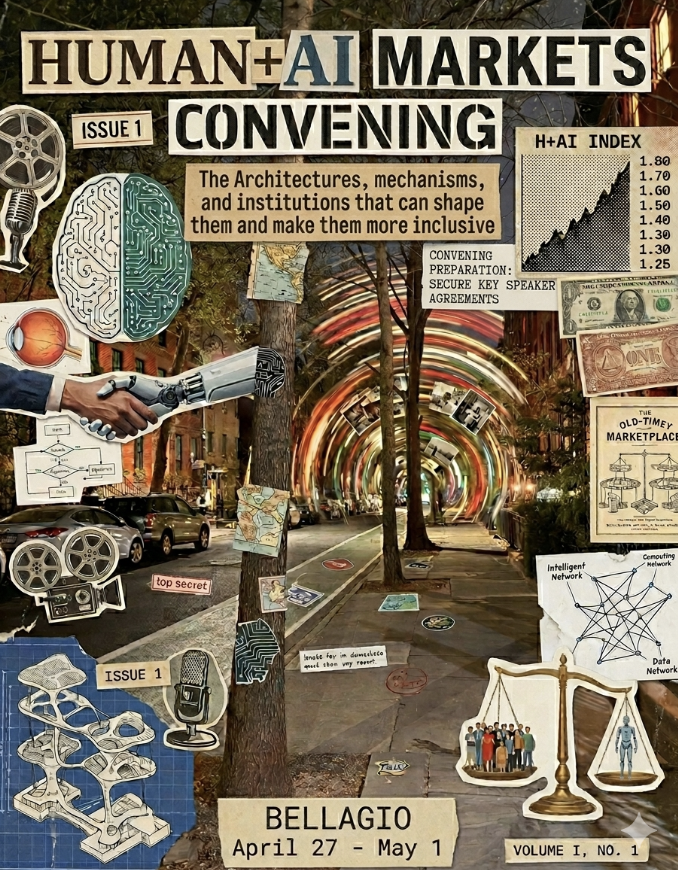
This convening brought together leading experts working across AI product development, economics, standards-setting, policy, and research to explore how to design market structures that are sustainable and allow for broad participation in value creation and distribution.
AI systems increasingly rely on external content – text, images, audio, and data produced across the web – but the mechanisms for recognizing, attributing, and rewarding those inputs remain underdeveloped. As a result, value flows are opaque, even as AI-mediated products become more deeply integrated into everyday economic activity.
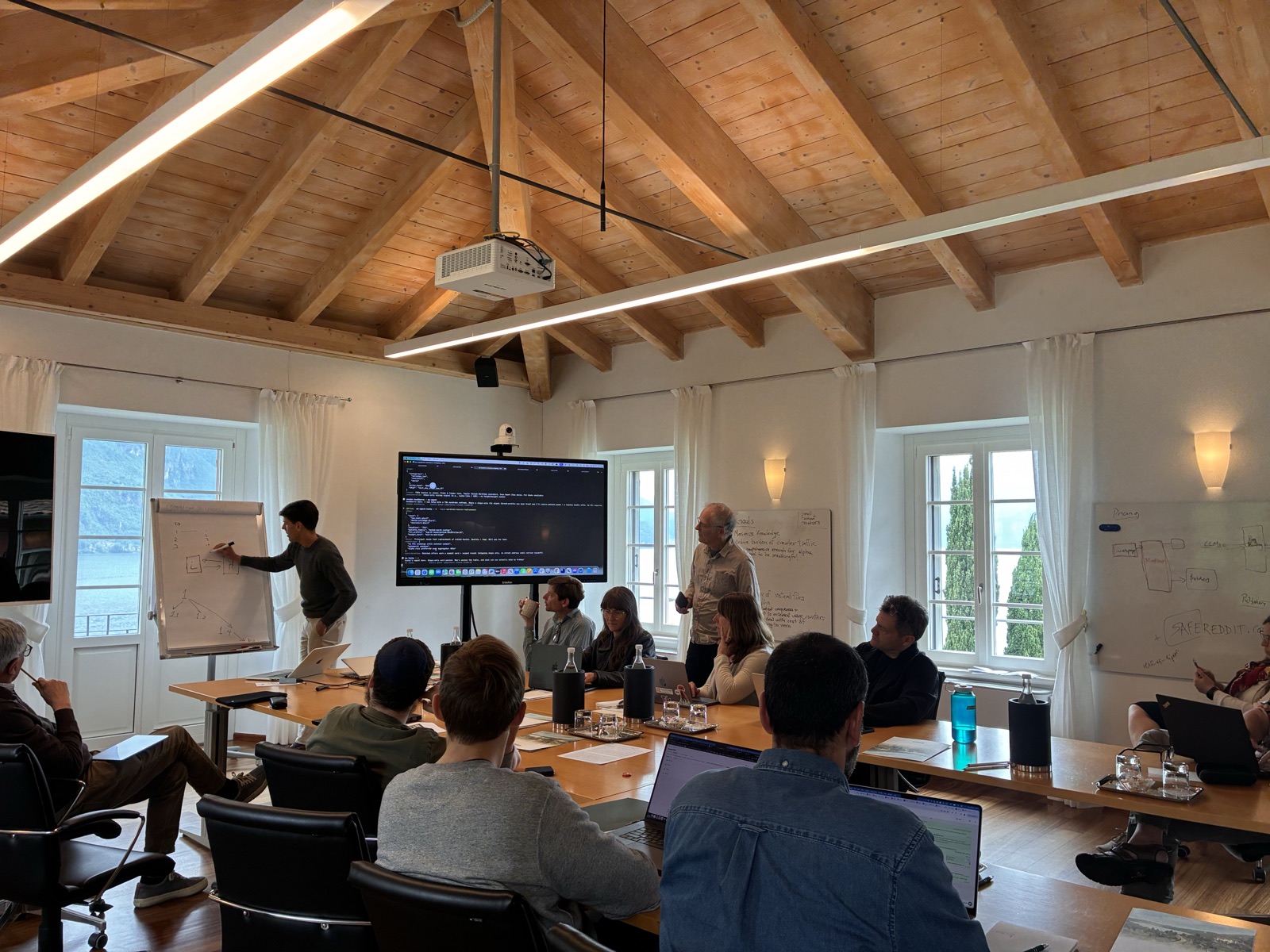
Over three days at the Rockefeller Foundation Bellagio Center, participants worked through key questions about the future of knowledge curation and consumption under AI, the value-exchange mechanisms that could sustain content producers, the technical architectures – APIs, protocols, attribution systems – that could support open and interoperable AI markets, new AI-native business models, and the governance mechanisms needed to make these markets trustworthy and consent-driven. Participants prepared prototype mechanisms and RFC-type contributions.
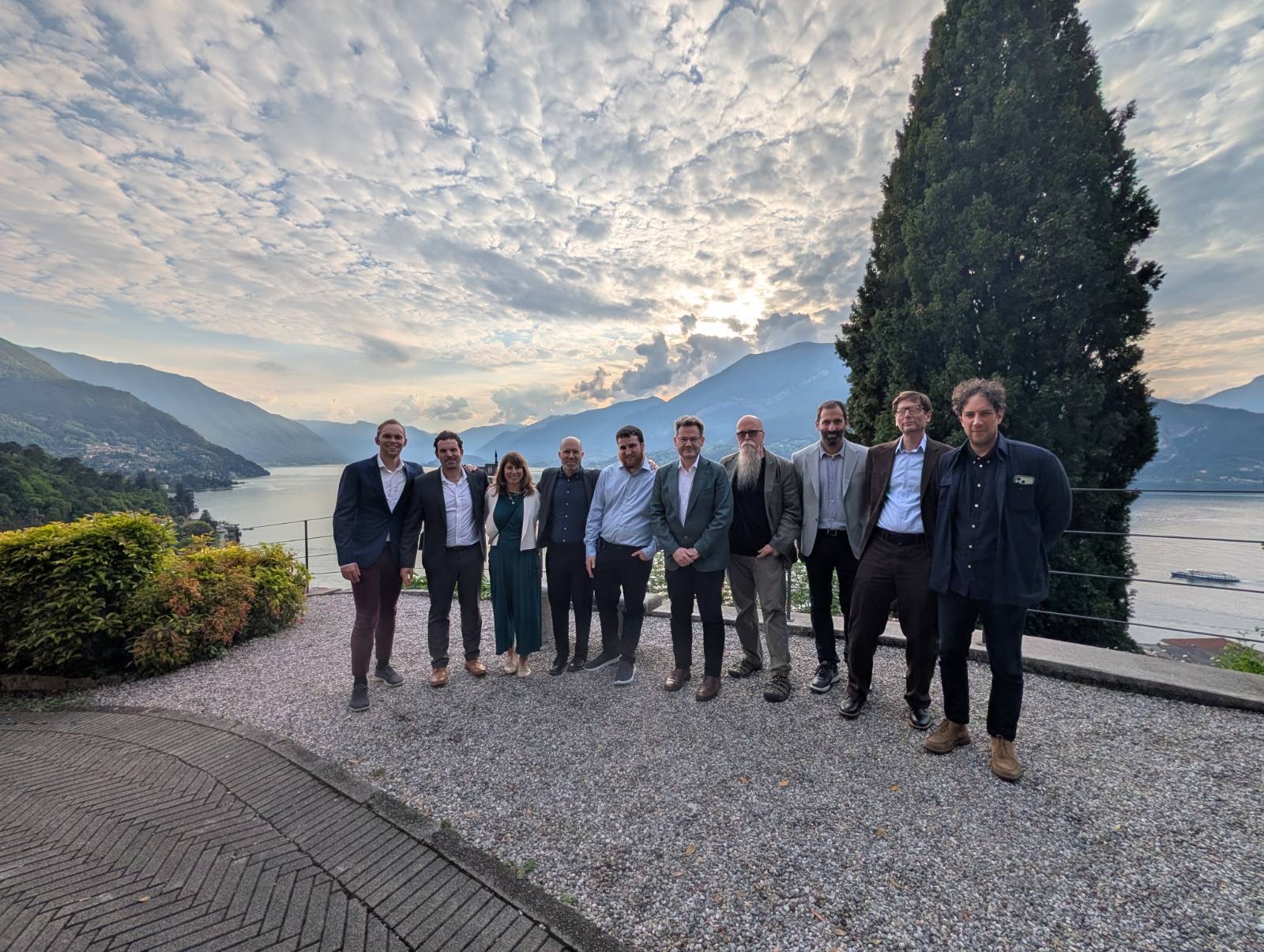
Twenty expert economists, engineers, marketplace designers, and systems thinkers
Click any name to read their bio. Download full bios (PDF).
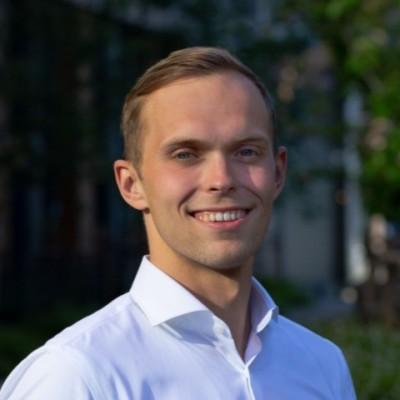
Tadas is a career software engineer and founder, currently serving as a member of the MCP Steering Group where he co-maintains the MCP Registry and MCP Contributor open source community. He writes a semi-regular newsletter about MCP and agentic engineering via his startup, PulseMCP, and spends much of his time in consulting engagements with software engineering teams working to adopt coding agents in their day to day work.
He is passionate about exploring MCP's promise for facilitating incentive-aligned productivity gains in an AI-first era, and empowering people with productivity tooling that helps them get more done, while staying ahead of having their work be replaced by ever-improving AI capabilities.

Geoffrey Bilder is Head of Technical Innovation and Strategic Partnerships at MIT Press. His career spans three decades of building the technical infrastructure that underpins how scholarly knowledge is identified, verified, attributed, and exchanged across distributed publishing networks. He co-founded Brown University's Scholarly Technology Group in 1993, served as head of IT R&D at Monitor Group, and was CTO of Ingenta from 2002 to 2005, before joining Crossref.
At Crossref, Bilder led the technical development and launch of services now foundational to how research is identified and verified: Similarity Check, Crossmark, ORCID, and the Open Funder Registry. Each addresses a version of the same underlying problem: distributed networks of knowledge producers need shared identifiers and protocols to attribute, verify, and link their work reliably. Crossref's metadata now covers over 180 million scholarly records and handles over two billion DOI resolutions per month.
At MIT Press, Bilder is working through those same questions in the context of AI. The challenge is not only to protect the economic value of knowledge work, but to preserve the signals that make knowledge credible, inspectable, and worth supporting in the first place.
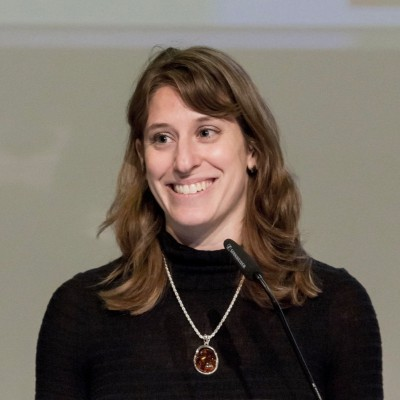
Alissa Cooper is the inaugural Executive Director of the Knight-Georgetown Institute (KGI), a center based at Georgetown University dedicated to connecting independent research with technology policy and design. Alissa leads and oversees KGI's work across platform governance, competition policy, and artificial intelligence.
Alissa is a recognized leader in the development of global Internet standards, policy, and governance. She has served as Chair of the Internet Engineering Task Force (IETF), the world's premier Internet standards organization, leading the IETF through significant transitions related to Internet security and encryption, network performance, privacy, and real-time voice and video.
Prior to joining KGI, Alissa spent a decade at Cisco Systems in senior engineering and executive roles, including Vice President of Technology Standards and Chief Technology Officer for Technology Policy. She was the first woman in Cisco history to be promoted to Fellow. Earlier she served as Chief Computer Scientist at the Center for Democracy and Technology. She holds a D.Phil from the Oxford Internet Institute and M.S. and B.S. degrees in computer science from Stanford.
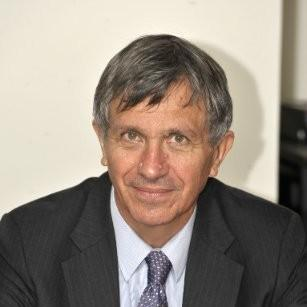
Jacques Crémer received his PhD in Economics from MIT in 1977. He held appointments at the University of Pennsylvania and Virginia Tech before joining the Toulouse School of Economics in 1991 as a CNRS Research Professor. At TSE he has served as Director of the Institut d'Economie Industrielle, Scientific Director of the school, and as the founding director of its Digital Center. He is a Fellow of the Econometric Society and the European Economic Association. His early work produced foundational contributions to planning theory, auction theory, and the economics of organizations.
His research on digital markets has developed into one of the most sustained bodies of work on platform competition and incumbency dynamics in the field, particularly on switching costs and network effects. A series of papers with Gary Biglaiser analyzes "incumbency advantage": the structural fact that users of a dominant platform have incentives to wait for others to migrate before moving themselves, with direct implications for data portability mandates, interoperability requirements, and platform competition remedies.
From April 2018 to March 2019, Crémer served as a Special Adviser to European Commissioner for Competition Margrethe Vestager, during which time he co-authored "Competition Policy for the Digital Era" (April 2019). The report fed directly into the design of the Digital Markets Act.
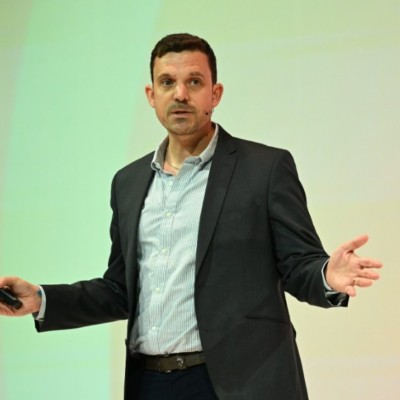
Paul Farrow holds a PhD in Neuroscience from the University of Bristol and has spent close to a decade working at the intersection of digital advertising, content economics, and privacy. He came to Microsoft via AppNexus/Xandr, and serves on the boards of Prebid, IAB Europe, and the Network Advertising Initiative, as well as co-leading Prebid's LLM and Publisher Monetization Task Force for 2026.
At Microsoft Advertising, Paul led the privacy-preserving advertising strategy, including the development and rollout of the Ad Selection API, which enables personalized targeting through differential privacy, k-anonymity, and trusted execution environments. His current focus includes the AI Economy and the Publisher Content Marketplace (PCM), helping to create the infrastructure for AI answer engines and content monetization of the future.

Lucky Gunasekara is the cofounder of Miso.ai, where he works on grounded Answers, private publisher-specific LLM systems, and publisher-controlled AI infrastructure. Earlier in his career, he cofounded medic.org while at Stanford, spent two years working with HIV and maternal and child health clinics across East Africa, and built epidemicIQ, an early multilingual OSINT and outbreak-intelligence system.
At Miso.ai, he and cofounder Andy Hsieh have worked closely with O'Reilly Media to develop O'Reilly Answers, an early proof point for citation-backed Answers, grounded retrieval, and author-attribution and royalty logic. Today, Miso.ai supports more than 5 million AI Answer conversations each month across 50+ partnerships with major news, research, and media organizations.
More recently, his work has focused on the standards, telemetry, and market infrastructure needed for a more permissioned AI web. He leads Project Sentinel, which tracks machine access behavior across roughly 12,000 publisher and news sites and has identified more than 2,000 bots and scrapers. He is also building Studio (MCP- and workflow-oriented tooling for publishers) and Bonsai (an agentic research network designed around transparent, paid, permissioned use of news, research, and knowledge sources).
Alex Hancock is a software engineer at Block, the fintech company behind Square, Cash App, and Afterpay, where he works on goose, Block's open-source AI agent framework. Goose is a local-first agent that combines language models with extensible tools and MCP-based integrations, designed to provide a structured and reliable environment for building and executing agentic workflows.
Hancock was among the first engineers pulled into the effort to iterate on MCP. In February 2025, MCP's creators David Soria Parra and Justin Spahr-Summers reached out to the PulseMCP and goose teams to help build a centralized server registry. He has since taken over development and maintenance of the official Rust SDK for MCP, represented Goose and Block at MCP Developers Summits, and is involved in the technical governance of MCP through the AAIF.
In December 2025, Block contributed Goose to the Linux Foundation's newly formed Agentic AI Foundation, a vendor-neutral consortium co-founded by Anthropic, Block, and OpenAI with platinum membership from AWS, Google, Microsoft, Bloomberg, and Cloudflare.

Ola Hungerford is a Principal Engineer at Nordstrom, where she leads AI enablement initiatives with a focus on platform engineering for MCP and AI agents. Her technical background spans nearly two decades across front-end web development, recommender systems, cashless payments, business intelligence, enterprise resource planning, and scoring software for professional bowling tournaments.
Her involvement with the Model Context Protocol began early in the project's public life. She maintains the MCP Inspector, the developer tool used to test and debug MCP server implementations, and the Reference Server repository, which serves as the canonical educational example for developers building their own servers. She also moderates the MCP Contributors Discord server. In November 2025, the MCP core team published a retrospective on the protocol's first year in which Hungerford was quoted on the coordinating function of the protocol itself.
Outside of engineering, Hungerford is a vocalist, songwriter, and studio co-founder. She records music with her husband, composer and producer Johnny Dexter Goss, under the names Cock and Swan.
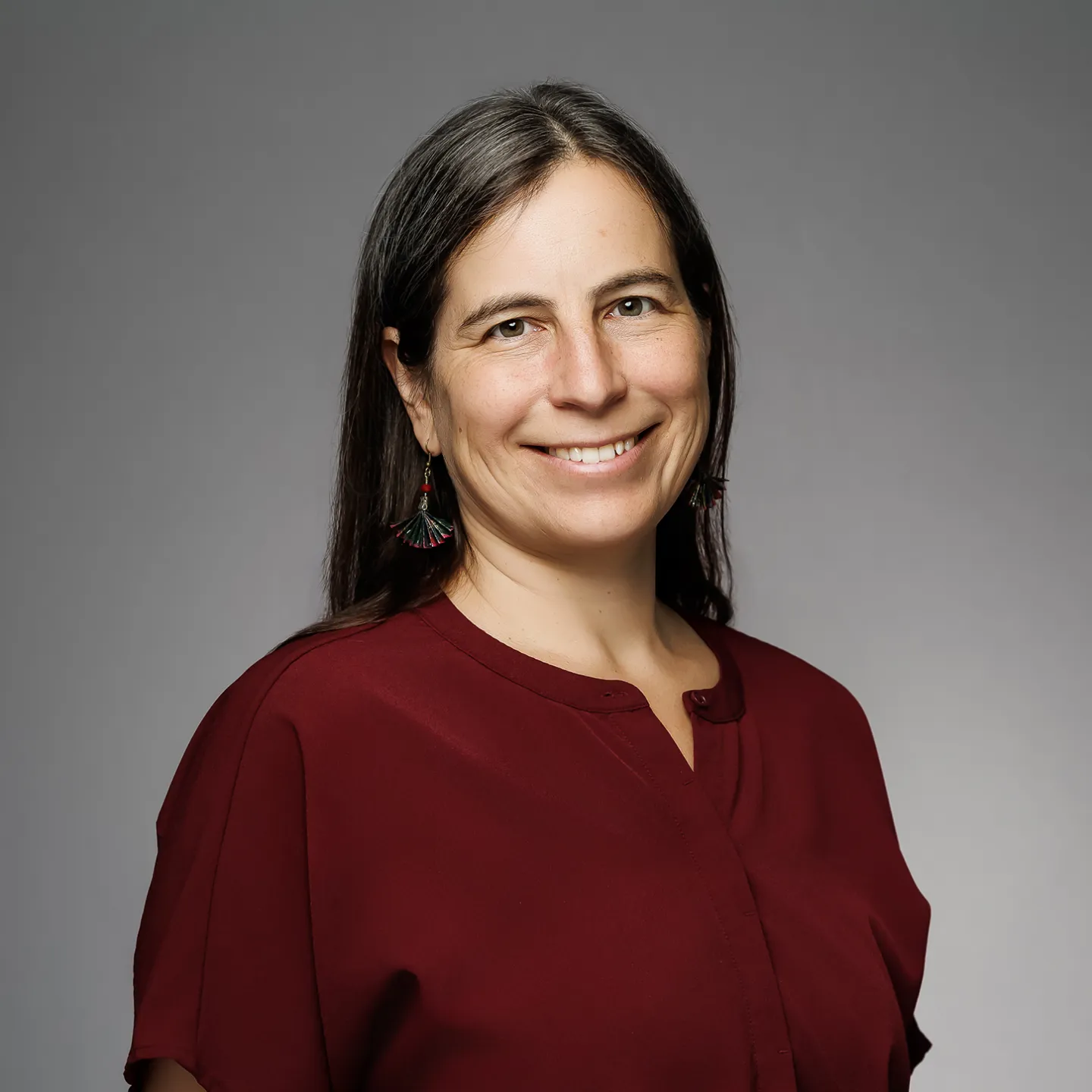
Nicole Immorlica received her PhD from MIT in 2005. In 2012, she moved to Microsoft Research New England, where she is a member of the Economics and Computation Group. In 2025 she additionally joined Yale as a Professor of Computer Science. She is an ACM Fellow and a Society for the Advancement of Economic Theory Fellow, and has received the Sloan Fellowship, the Microsoft Faculty Fellowship, and the NSF CAREER Award.
Convinced that algorithmic tools could reshape how markets work in practice, Immorlica was among the first cohort of computer scientists to take economics seriously as a research domain. Her most cited work spans large-scale auction design, social network dynamics, and matching market theory; her 2005 paper "Marriage, Honesty, and Stability" received the 2023 SIGecom Test of Time Award.
More recently she has turned toward studying generative AI as an economic phenomenon. A 2024 paper with Brendan Lucier and Aleksandrs Slivkins proposes a framework in which AI is modeled not as a tool that reduces costs for human agents, but as an economic agent itself, with potentially different information and preferences from the user it serves.
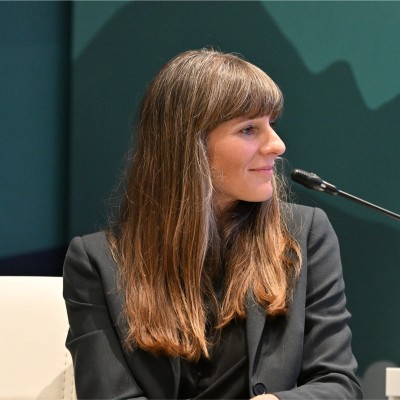
Mallory Knodel is the founder and Executive Director of the Social Web Foundation, a nonprofit launched in 2024 to expand the fediverse, improve the ActivityPub protocol and its user experience, inform policymakers about federated social networks, and educate the public about participating in them. Before SWF she spent four years as Chief Technology Officer of the Center for Democracy and Technology in Washington.
Her standards work has been continuous and substantive. She chairs the Human Rights Protocol Considerations research group at the IRTF, chairs the ATP working group at the IETF, has served on the Internet Architecture Board, and remains an active contributor at the W3C, IEEE, and the United Nations on technical policy questions. She is a US delegate to the ITU. She is co-author of How the Internet Really Works.
Her nonprofit work has attracted nearly ten million dollars in funding from the Ford Foundation, Open Society Foundations, Omidyar Network, MacArthur Foundation, and others. Her through-line is a question: what would it mean to design technology that serves people and accelerates social movements?
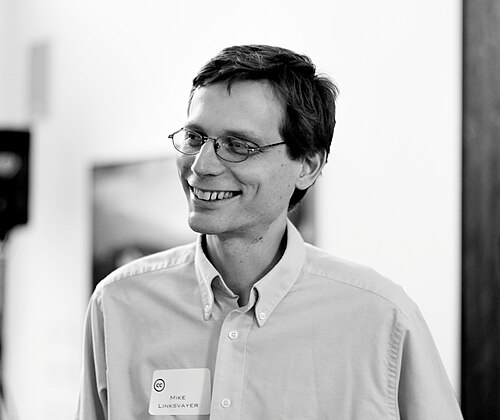
Mike Linksvayer is VP of Developer Policy at GitHub, where he leads the company's engagement with policymakers, regulators, and standards bodies on issues affecting how software gets built and shared. Before GitHub he co-founded Bitzi, a peer-to-peer file sharing company that invented magnet links, the identifier format still used in BitTorrent and elsewhere.
He joined Creative Commons as CTO in 2003, became VP in 2007, and spent nearly a decade there, during which he co-authored ccREL, the Creative Commons Rights Expression Language. He has also served as a volunteer director of Software Freedom Conservancy and chaired the Open Definition Advisory Council.
At GitHub, Linksvayer works on the policy conditions that make open standards possible. GitHub is now home to the MCP registry and much of the open-source infrastructure underlying agentic AI development. His vantage point spans the full arc of what it means to build open standards that actually get adopted.
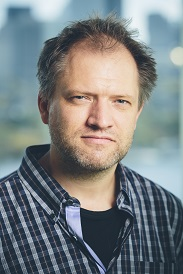
Markus Mobius is Senior Principal Researcher at Microsoft Research New England, a Research Associate at the NBER, and affiliated faculty at the University of Michigan School of Information. He earned his PhD in Economics from MIT in 2000, was previously Associate Professor of Economics at Harvard, and holds an M.Phil. in Economics and B.A. in Mathematics from Oxford.
His earlier work helped establish the modern economics of social networks. "Trust and Social Collateral" (Karlan, Mobius, Rosenblat, Szeidl, QJE 2009) formalized how network ties function as enforcement mechanisms for informal contracts. For roughly the past decade, Markus has used Microsoft's browsing and search data to study the political economy of digital news. "Measuring the News and its Impact on Democracy" (PNAS 2021) is one of the most-cited empirical contributions to the misinformation debate.
Markus is a co-author of "The Agentic Economy" (Rothschild, Mobius, Hofman, Dillon, Goldstein, Immorlica, Jaffe, Lucier, Slivkins & Vogel, 2025), a brief arguing that the architecture of agentic communication is the decisive design choice for whether generative AI redistributes economic opportunity or recentralizes it.
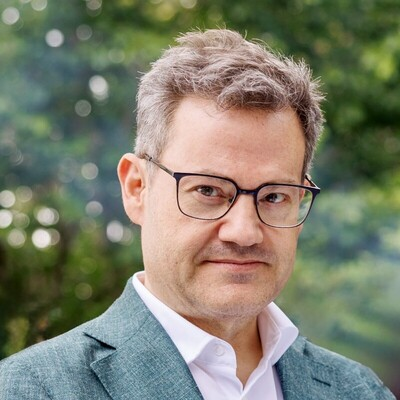
Mark Nottingham is a standards engineer based in Melbourne, Australia who has spent over twenty-five years working on the core protocols of the internet. He has authored or substantially contributed to more than thirty IETF RFCs and W3C Recommendations, covering HTTP semantics and caching, HTTP/2, QUIC, web security, and URL standards. He has chaired the IETF HTTP Working Group since 2007, previously chaired the QUIC Working Group, and has served on the W3C Board of Directors, the Internet Architecture Board, and the W3C Technical Architecture Group.
In 2023 Nottingham published RFC 9518, a formal IETF document on centralization, decentralization, and internet standards. In 2025 he took on the chair role of the newly formed IETF AI Preferences (AIPREF) Working Group, which is developing standardized ways for content creators and publishers to express machine-readable preferences about how their work is collected and used in AI training pipelines.
Alongside the AIPREF work, Nottingham co-authored a draft IETF specification for paid web crawling, setting out technical requirements for a protocol-level system in which AI crawlers would compensate publishers at the point of access.
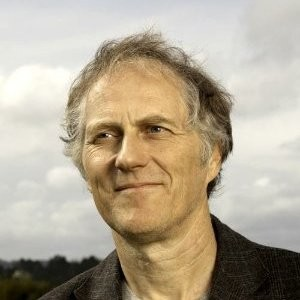
Tim O'Reilly is the founder, CEO, and chairman of O'Reilly Media, the technical publishing and learning company he has run for over four decades. During that time he coined the terms "open source" and "Web 2.0," organized the first conferences around many of the technologies that now underpin the modern internet, and developed a reputation for identifying structural shifts in technology markets before they become legible to the broader industry.
In 2024 O'Reilly co-founded the AI Disclosures Project with economist Ilan Strauss, where he serves as principal investigator. The project sits at the intersection of corporate transparency, market design, and AI governance. A 2025 paper from the project drew attention for applying membership inference methods to show that GPT-4o had likely been trained on paywalled O'Reilly Media books without authorization.
O'Reilly's current argument is that disclosure frameworks should be understood less as warning labels and more as networking protocols — that open protocols and auditable telemetry are the mechanism by which a more competitive and permissionless AI ecosystem becomes possible.
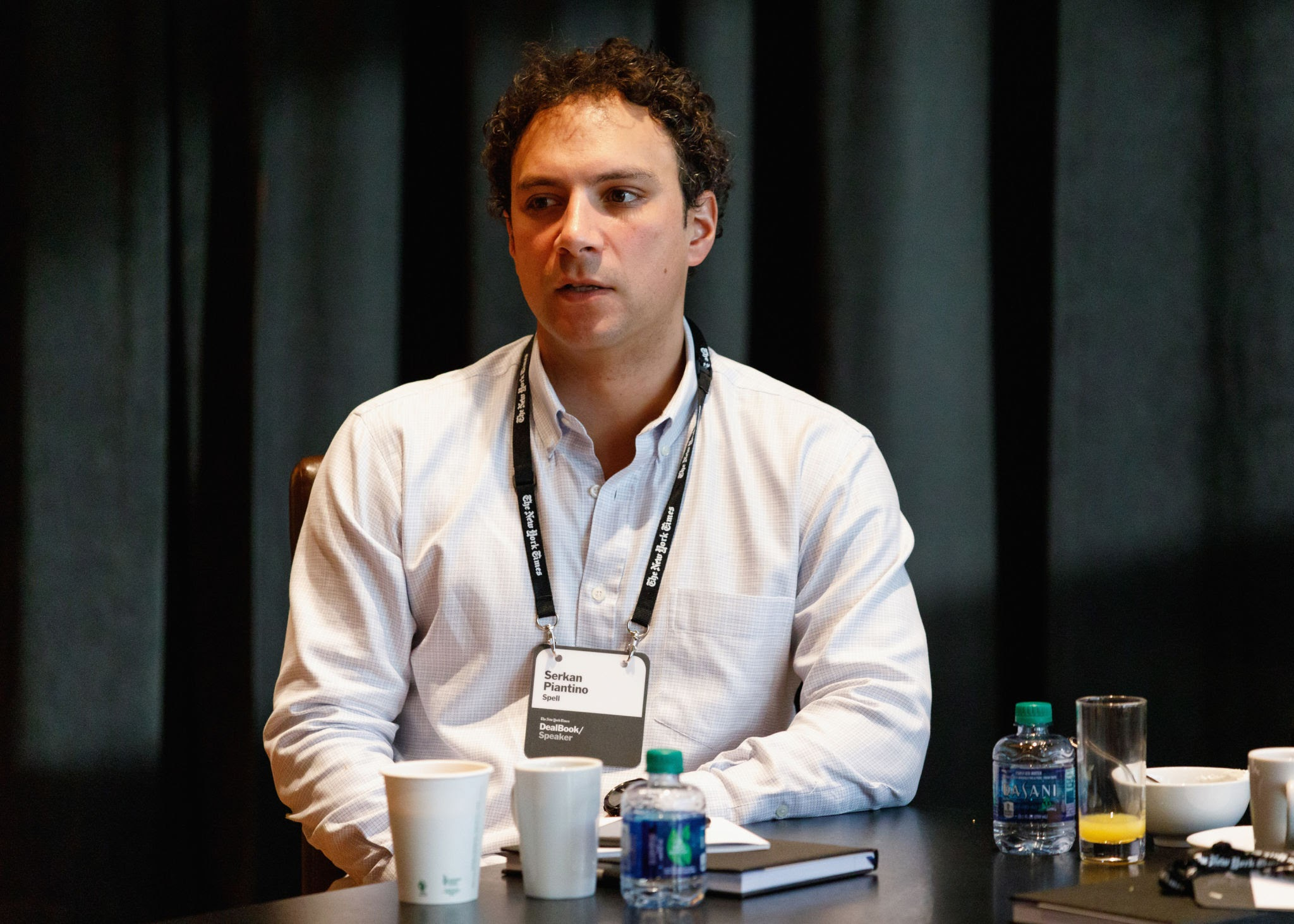
Serkan Piantino studied computer science at Carnegie Mellon before joining Facebook in 2007. Shortly after starting, he developed EdgeRank, the algorithm that determined what content users saw in News Feed. He subsequently led the development of Facebook Timeline and played a central role in building Facebook Messenger.
In 2012 Piantino moved to New York to build out Facebook's engineering presence there, growing the office from 100 people to over 2,000 engineers. He also co-founded Facebook AI Research in 2013, one of the earliest dedicated industrial AI research labs.
After leaving Facebook he founded Spell in 2016, a machine learning platform designed to make it easier for engineering teams to run large-scale ML experiments. Reddit acquired Spell in 2022, bringing Piantino on as VP of Product to lead the company's AI, ML, search, and feed teams. He is now a Venture Partner at Floating Point Advisors, a fund focused on bringing technology to complex, legacy industries.
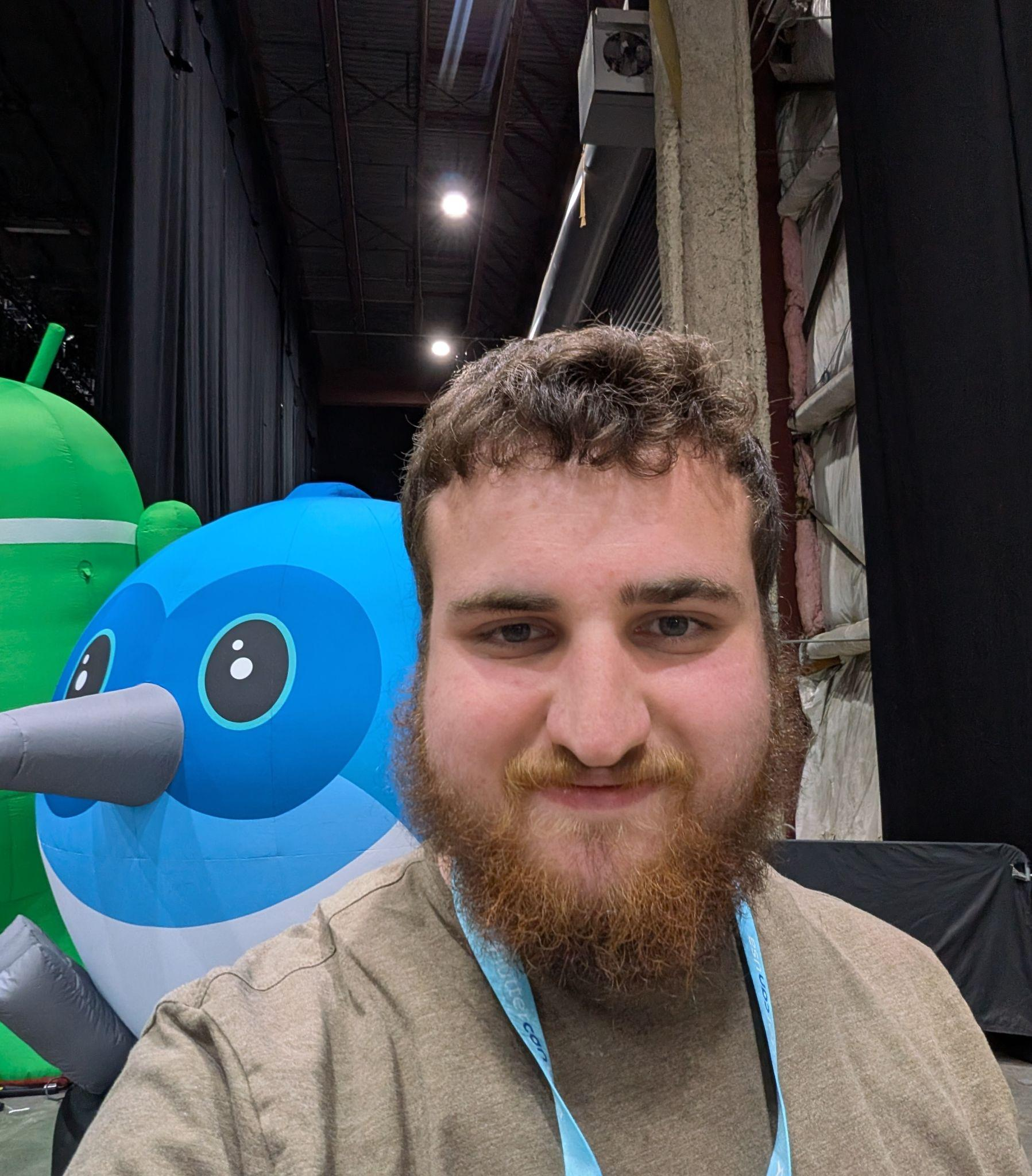
Sruly Rosenblat is a researcher for the AI Disclosures Project. He holds a Computer Science degree from Hunter College. He has worked on four research papers covering topics ranging from membership inference attacks to LLM citation analysis, forthcoming in Ethics & AI, Data & Policy, and other leading interdisciplinary journals. His work examining LLM pre-training data has been covered by TechCrunch, Fast Company, and The Register.
He is also published in O'Reilly Radar, Towards Data Science, and Asimov's Addendum. These articles often explore specific gaps in the AI ecosystem, including the lack of standardization in chat templates, how thin and concentrated AI markets create systemic risks, memory architectures, and the limited controls available to developers building on top of hosted LLMs.
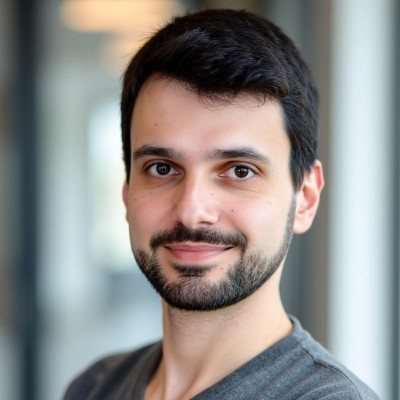
Ido Salomon is the creator of MCP-UI and AgentCraft, and the co-creator of GitMCP and MCP Apps. He serves on the MCP Steering Committee as a maintainer of MCP Apps. Through his work as a software architect, Ido has helped shape how humans, agents, and the web interact.
Previously, Ido was chief architect and an inventor of the enterprise browser at Talon Cyber Security. Building on that foundation, he pioneered browser-native AI both independently and within Palo Alto Networks. In parallel, he became a core contributor to the MCP ecosystem through open-source work, starting with GitMCP — one of the early MCP servers that made web content accessible to agents.
MCP-UI pioneered universal agentic UI, forming the foundation for MCP Apps, built alongside Anthropic and OpenAI. MCP Apps is now the official MCP extension for interactive applications, supported by hosts including ChatGPT, Claude, and Copilot.
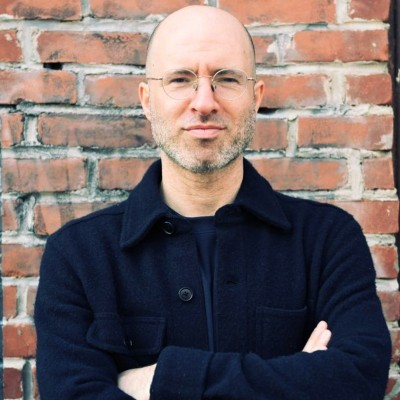
Ilan Strauss is Co-Director of the AI Disclosures Project (housed at Code for Science and Society), with Tim O'Reilly (founder) since 2024. He holds a PhD in economics from the New School for Social Research and an MSc in Development Economics from SOAS (University of London). He has taught macroeconomics at NYU and Rice University. His academic work spans digital platform economics, Bayesian panel estimation, corporate investment behavior, and international economics.
Ilan helped establish the National Minimum Wage Research Initiative in South Africa which used research and advocacy to pave the way for the first national minimum wage, legislated on May 29, 2018. Before the AI Disclosures Project, Strauss was a senior research associate at University College London's Institute for Innovation and Public Purpose (IIPP), where he led digital economy research with Mariana Mazzucato and Tim O'Reilly on the Omidyar Network-funded project on "algorithmic attention rents."
He remains an Honorary Senior Fellow at UCL IIPP, a Senior Fellow at the Microsoft AI Economy Institute, and a Visiting Associate Professor at the University of Johannesburg. He is currently working on a book exploring why AI's employment impacts are conditional on macroeconomic distributional relationships.
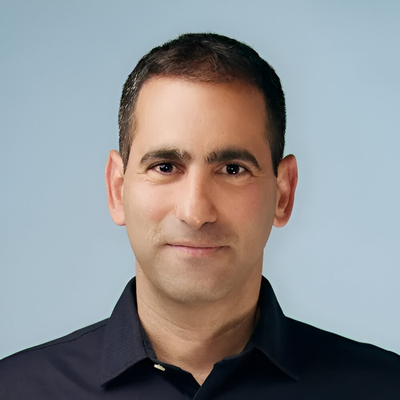
Liad Yosef is the co-founder and CTO of Era Labs, the co-creator of MCP Apps and GitMCP, and the co-builder of the MCP-UI project. He is an AI lead and software architect with 20+ years of experience across web development, user interfaces, and human-AI interactions. Previously the architect of Shopify's agentic commerce solution, Liad now works at the frontier of the Human-Agentic Web.
At Era Labs, Liad is building the interaction and trust layers for a world where AI agents, not browsers, mediate how people access and engage with digital services. He is a core contributor to the Model Context Protocol (MCP) ecosystem, serving as a maintainer in its steering committee and co-leading the MCP Apps working group alongside collaborators from OpenAI and Anthropic.
Liad holds degrees in mathematics, physics, computer science, and behavioral economics. Alongside his technical work, Liad is a published poet and an analog astronaut for the European Space Agency (ESA).
Bio not shared.
Reports, prototypes, and follow-on work
Downloadable Presentations
All presentations from the Bellagio convening, organized by track. Click any presentation to view or download the slides.
Day 1 — Foundations
Day 2 — Agentic and AI Architectures
Day 2 — Web Architectures
Day 2 — Model Context Protocol (MCP)
Day 2 — Skills Architecture: Applications
From mechanisms, to protocols, to market prototypes
- Progress on AI market status at the IETF — slides
- MCP apps / agentic web: replacing browsers with personal assistants — slides
- Neutral public index of the web with nondiscriminatory access — slides
- HTTP→HTTPS-like transition to reputation/pricing layer for agents — slides
From the Bellagio Center, April–May 2026